
Table of Contents
- What Makes Expensive Sneakers Cost More
- Durability and Material Quality in Premium Footwear
- Cost-Per-Wear: Calculating Real Value
- How to Spot Fake Sneakers Before You Buy
- Sneaker Maintenance Tips for Long-Term Wear
- Are Expensive Running Shoes Worth It for Athletes
- The Verdict: When Expensive Sneakers Make Sense
Last Updated: August 20, 2026
What Makes Expensive Sneakers Cost More
Expensive sneakers involve real engineering differences. Premium sneakers use full-grain leather instead of synthetics, which costs more but ages better and maintains structure longer. The midsole uses proprietary foam technologies requiring years and millions in R&D to develop. Nike's React foam, for example, required extensive biomechanical testing to balance responsiveness with durability.
Construction methods matter too. Expensive sneakers often use stitch-down construction, where the upper is stitched to the midsole, creating a stronger bond than glue-and-cement methods used in budget footwear. This takes longer and requires skilled labor. Brand equity also plays a role, you're paying for reputation, supply chain reliability, and replacement guarantees.
At 4GodsYourGlory, we offer Air Max React Sneakers at $95.95, which sits in the sweet spot between budget and luxury. You get genuine cushioning technology and quality construction without the premium markup. A $200 sneaker might cost $40-50 to manufacture, while an $80 sneaker costs $20-25. The remaining difference goes to marketing, distribution, retail margins, and brand positioning.

Durability and Material Quality in Premium Footwear
Premium sneakers last longer because of materials and assembly. Full-grain leather resists creasing, maintains shape through repeated wear, and develops character over time. Tight, consistent stitching means the shoe holds together through hundreds of wears that would separate cheaper construction.
Cushioning technology directly impacts durability. Budget sneakers use basic EVA foam that compresses and loses effectiveness within months. Premium foams like React maintain their properties longer, keeping the shoe comfortable after a year of regular wear. The outsole shows similar differences, expensive sneakers use denser rubber compounds with better traction patterns that don't wear smooth quickly.
Stitch-down construction creates a stronger bond than glue-and-cement methods. When glued sneakers separate, they're often unrepairable. Stitched shoes can be re-stitched by a cobbler, extending their life significantly. This repairability factor alone can justify the premium price for daily wearers.
Cost-Per-Wear: Calculating Real Value
Cost-per-wear analysis reveals whether expensive sneakers are worth it: total price divided by number of wears before unwearability. A $200 pair worn 500 times costs 40 cents per wear. An $80 pair worn 200 times costs 40 cents per wear, equivalent, except the expensive pair likely feels better.
If you wear expensive sneakers twice weekly, they'll last five years. Budget sneakers last 18 months at the same wear rate. Over five years, you'd need three budget pairs ($240 total) instead of one expensive pair ($200). The expensive option wins.
This changes for casual wearers. Someone wearing sneakers once or twice monthly might get 50-80 wears before moving to a different style. For that person, durability matters less than initial cost. A $95 pair from 4GodsYourGlory makes more sense than a $200 luxury pair.
Athletic use changes the equation. A $150 running shoe with quality midsole technology protects feet better for longer, potentially saving money on physical therapy. Someone running 30 miles weekly gets 200+ wears yearly, making durability critical.
Certain expensive sneaker brands hold resale value at 60-80% of original price, reducing your cost-per-wear. Budget sneakers rarely resell. Calculate how many times you'll wear the shoe and compare total cost of ownership. For daily wearers, expensive sneakers usually win. For occasional wearers, budget options make more sense.
How to Spot Fake Sneakers Before You Buy
Counterfeit sneakers are everywhere, especially online. Learning to identify authentic pairs protects you from wasting money and supports legitimate sellers like 4GodsYourGlory.
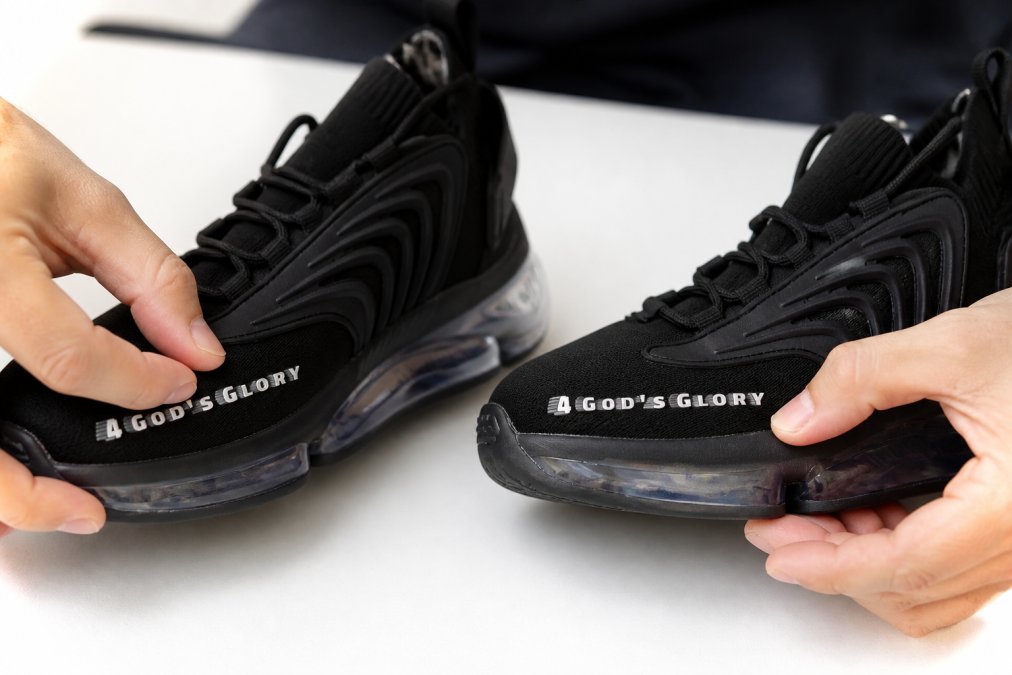
Start with stitching quality. Authentic expensive sneakers have perfectly straight, consistent stitching with no loose threads or gaps. Counterfeit stitching is often uneven, with visible gaps between stitches. Run your finger along seams, authentic shoes feel smooth and uniform. Fake shoes have rough, inconsistent stitching.
Logo placement and quality matter significantly. Authentic logos are embroidered precisely with no thread overlap or bleeding. Letters are evenly spaced and perfectly centered. Counterfeit logos are often off-center or use different thread shades. Compare logos on the tongue, heel, and side to official brand website photos.
Material quality reveals counterfeits quickly. Authentic sneakers use consistent material throughout. If leather feels plastic-like or synthetic feels flimsy, it's likely fake. The insole should be properly attached and clearly printed, not loose or poorly printed.
Check the box and packaging. Authentic sneakers come in boxes with specific printing quality and label placement. Counterfeit boxes often have printing errors or misaligned text. Examine QR codes and barcodes, they should scan to legitimate product pages.
Price is often the first indicator. If you're buying expensive sneakers at 50% off from an unknown seller, they're likely counterfeit. Legitimate discounts rarely exceed 20-30%. Ask for proof of authenticity, legitimate sellers provide purchase receipts or documentation of their supply chain.
Sneaker Maintenance Tips for Long-Term Wear
Proper maintenance extends sneaker life significantly, making expensive sneakers more cost-effective.
Clean your sneakers regularly but gently. Use a soft brush to remove surface dirt after each wear. For deeper cleaning, use lukewarm water with mild soap and a soft cloth. Never put sneakers in the washing machine or dryer.
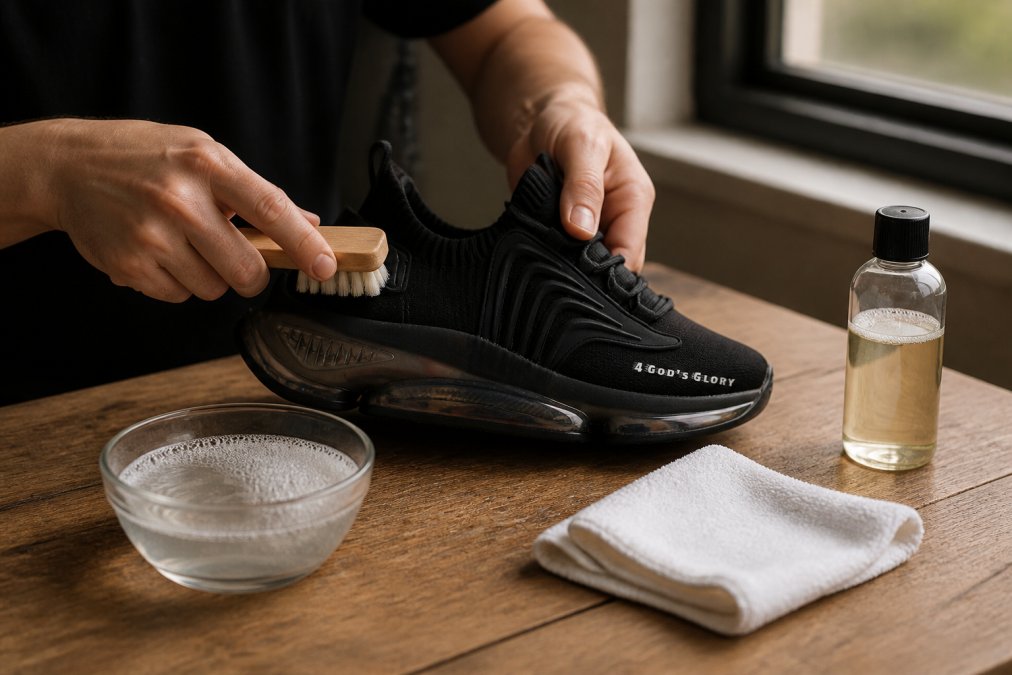
Dry sneakers properly to prevent mold. After cleaning, stuff them with newspaper to absorb moisture and maintain shape. Replace newspaper every few hours as it becomes damp. Air dry at room temperature away from direct heat or sunlight.
Condition leather regularly to maintain flexibility and water resistance. Use leather conditioner designed for footwear every 2-3 months if you wear leather sneakers daily. Store sneakers in a cool, dry place away from direct sunlight. Use shoe trees or stuff with newspaper to maintain shape.
Rotate your sneakers if you wear them frequently. Wearing the same pair daily accelerates wear. Rotating between two or three pairs gives cushioning time to decompress between wears. Address wear issues immediately, loose stitching should be repaired by a cobbler rather than waiting for complete separation.
Are Expensive Running Shoes Worth It for Athletes
For athletes, expensive sneakers offer measurable benefits. Premium cushioning technology absorbs impact more effectively than budget EVA, reducing stress on joints during repeated impact. For someone running 20+ miles weekly, this compounds into real joint protection.
Expensive running shoes maintain cushioning better through 400-500 miles of running versus 200 miles for budget shoes. For serious training, this means fewer replacements and better injury prevention.
However, expensive doesn't automatically mean better for your biomechanics. A $200 running shoe that doesn't match your foot strike pattern is worse than an $80 shoe that does. Professional fitting at a specialty running store matters more than brand name or price.
Casual runners jogging 5-10 miles weekly might not see significant differences between expensive and moderate-priced options. A $95 pair like our Air Max React Sneakers provides solid cushioning for recreational running without premium markup.
The investment argument for expensive running shoes makes sense if you're training for races or running 30+ miles weekly. For casual fitness running, moderate-priced shoes with proper fit matter more than premium pricing.
The Verdict: When Expensive Sneakers Make Sense
Buy expensive sneakers if you wear the same pair daily. The cost-per-wear calculation favors durability when you're getting 400+ wears from a single pair. Daily wearers benefit from better cushioning, material quality, and construction methods.
Buy expensive sneakers if you care about comfort and your feet are sensitive. Premium cushioning reduces foot fatigue during long days. If you're on your feet 8+ hours daily, the comfort improvement justifies the cost.
Buy expensive sneakers if you're an athlete or serious fitness enthusiast. Performance benefits, durability, and injury prevention justify the premium for people putting real stress on their shoes.
Buy expensive sneakers if you value resale potential or longevity. Certain brands hold value in secondary markets, and premium construction means the shoe remains wearable for years.
Skip expensive sneakers if you wear them occasionally or rotate frequently between many pairs. You won't wear any single pair long enough to benefit from premium durability.
Skip expensive sneakers if you're on a tight budget and need basic footwear. A $79.99 pair from 4GodsYourGlory provides reliable everyday sneakers without premium pricing.

Skip expensive sneakers if you don't care about comfort or fashion. If sneakers are purely functional, budget options do the job.
Expensive sneakers offer real benefits in material quality, durability, comfort, and construction. Whether those benefits justify the premium depends on how you wear them and what you value. Calculate your cost-per-wear and make the decision based on actual usage patterns rather than brand hype.
For most daily wearers seeking quality without premium markup, 4GodsYourGlory's Air Max React Sneakers at $95.95 hit the sweet spot. You get genuine cushioning technology, quality construction, and reliable materials at a price that makes sense for everyday wear.
Finding the right sneaker means balancing cost, durability, comfort, and your actual wear patterns. Expensive sneakers aren't universally worth it, but they make sense for daily wearers and athletes who benefit from premium materials and construction. For most people seeking reliable, comfortable everyday footwear, quality mid-range sneakers like the Air Max React Sneakers from 4GodsYourGlory deliver the performance and durability you need without unnecessary premium pricing. Start with honest assessment of how often you'll wear the shoes, then choose based on cost-per-wear rather than brand prestige.
Frequently Asked Questions
Do expensive sneakers last longer than budget options?
Premium sneakers often outlast cheaper alternatives due to superior materials and construction methods. Full-grain leather and reinforced stitching resist wear and tear better than synthetic materials. However, longevity depends heavily on how you wear and maintain them. Budget sneakers with proper care can last 1-2 years, while expensive pairs typically reach 2-4 years. Cost-per-wear analysis reveals the real value: a $150 sneaker worn 200 times costs $0.75 per wear, while a $60 shoe worn 80 times costs $0.75 per wear. The difference lies in consistency, expensive sneakers maintain cushioning and support longer.
What factors actually determine sneaker price?
Sneaker pricing reflects material quality, construction methods, brand equity, and research investment. Full-grain leather costs more than synthetic alternatives. Stitch-down construction and premium midsole technology add expense. Brand prestige accounts for significant markup, luxury brands command 40-60% premiums for similar performance. Marketing, athlete endorsements, and limited editions inflate prices further. Performance benefits like enhanced arch support, shock absorption, and biomechanical optimization justify premium pricing for athletes. Budget sneakers cut costs through glue-and-cement assembly, synthetic uppers, and minimal cushioning technology.
How do I know if expensive sneakers are authentic?
Authentic expensive sneakers show consistent stitching with no loose threads or gaps. Check the logo clarity, font weight, and placement, counterfeits often have blurry or misaligned branding. Feel the material: genuine leather has natural texture and weight, while fake leather feels plastic. Examine the box, tags, and serial numbers for spelling errors or poor printing quality. Purchase from authorized retailers like 4GodsYourGlory to guarantee authenticity. Request receipts and verify seller credentials. Counterfeit sneakers often feel lighter and have weaker glue bonds that fail quickly.
Are expensive running shoes worth it for serious athletes?
For serious athletes, expensive running shoes deliver measurable performance benefits. Premium shoes offer superior cushioning technology that reduces impact stress on joints, advanced arch support that improves biomechanics, and outsole traction engineered for specific surfaces. Studies show proper footwear reduces injury risk and improves efficiency. Casual runners may see diminishing returns after $120-150, while competitive athletes benefit from $150-250+ investment. The value depends on weekly mileage and training intensity. A runner logging 30+ miles weekly justifies premium shoes; someone exercising 3 times weekly may find mid-range options sufficient.
This article was written using GrandRanker