
Table of Contents
- How to Measure Foot Size at Home
- The Right Time to Measure Your Feet
- Understanding Shoe Fit Fundamentals
- Signs of Ill-Fitting Shoes
- How Should Running Shoes Fit
- Using a Sizing Chart and Fit Consistency
- Conclusion
Last Updated: August 15, 2026
How to Measure Foot Size at Home
Choosing the right shoe size starts with accurate measurement. Many people assume their shoe size never changes, but feet shift over time due to age, weight fluctuations, and activity level. Getting precise measurements at home takes just a few minutes and eliminates guesswork when shopping for sneakers or everyday footwear.

The process requires minimal equipment: a ruler or tape measure, a piece of paper, and a flat surface. Start by gathering these items in a comfortable space where you can sit or stand without rushing. Proper measurement technique matters more than the tools themselves.
Measuring Foot Length
Foot length is the distance from your heel to the tip of your longest toe. This measurement forms the foundation for how to choose shoe size correctly. Place a piece of paper on a flat surface against a wall. Stand on the paper with your heel touching the wall, keeping your weight distributed evenly on both feet. Mark the end of your longest toe with a pen or pencil. Measure the distance from the wall to your mark using a ruler or tape measure. Record this measurement in inches.
The key is maintaining proper posture during measurement. Don't lean forward or back. Keep your foot flat and relaxed. Many people make the mistake of pressing their toes down, which artificially shortens the measurement. Your toes should rest naturally without tension.
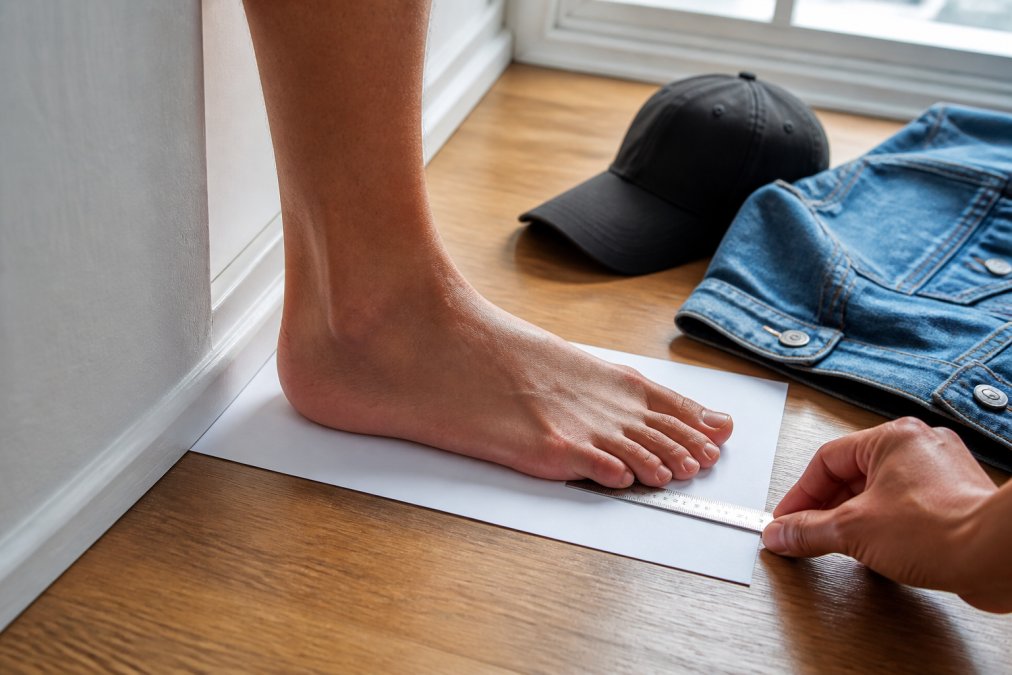
Once you have the length measurement, compare it to a shoe size chart. A foot length of 9.5 inches typically corresponds to a men's size 11 or women's size 12.5, though this varies by brand. Different manufacturers use slightly different standards, so charts serve as a starting point rather than a guarantee.
Measuring Foot Width
Foot width is equally important but often overlooked. Width determines whether the shoe's toe box and instep will feel comfortable or constrictive. To measure width, place your foot on the paper again with your heel against the wall. Using a ruler, measure across the widest part of your foot, typically near the ball of the foot where your toes connect to the main part of your foot.
Record this measurement and compare it to width sizing charts. Widths typically range from narrow to wide, with standard fit falling in the middle. If your width measurement falls between sizes, round up. A shoe that's too narrow causes pressure points and blisters. A slightly roomier fit accommodates natural foot swelling throughout the day.
Why You Should Measure Both Feet
Most people have feet that differ slightly in size. One foot is often a half-size or full size larger than the other. When you how to choose shoe size, you must measure both feet separately and use the larger measurement as your reference point. Buying shoes that fit only your smaller foot means the larger foot will slide around inside the shoe, causing heel slippage and discomfort.
This asymmetry is completely normal. The difference often becomes more pronounced with age or after periods of increased activity. Some athletes notice their feet change size season to season. Always account for your larger foot when selecting shoes.
The Right Time to Measure Your Feet
Timing affects foot size measurements. Feet naturally swell during the day due to activity and fluid retention. Morning measurements typically show your smallest foot size, while evening measurements show your largest. For the most practical measurement, take your foot size in the afternoon or early evening when your feet are closer to their typical daily size.
This timing consideration becomes especially important for running shoes and athletic footwear. Many runners size up a half-size from their dress shoe size specifically because athletic activity causes foot swelling. If you measure your feet in the morning and buy shoes based on that measurement, they may feel tight during afternoon wear or exercise.
Temperature also plays a minor role. Cold feet contract slightly, while warm feet expand. Measure in a comfortable room temperature environment. Avoid measuring immediately after exercise or a hot shower when your feet are maximally swollen.
Understanding Shoe Fit Fundamentals
Proper shoe fit extends beyond length and width. The entire shoe structure must work with your foot's natural shape. This is where many online shoppers struggle. You can't feel the midsole cushioning or heel counter support through a screen. Understanding shoe fit fundamentals helps you make better decisions when you how to choose shoe size without trying on shoes in person.
Accounting for the Larger Foot
When you have asymmetrical feet, buying for your larger foot is non-negotiable. Some retailers offer half-size options, which help bridge the gap. If your larger foot is a size 10.5 and your smaller foot is a size 10, purchase size 10.5 shoes. Your smaller foot will have slightly more room, but this beats forcing your larger foot into a tight shoe.
For the smaller foot, you have a few options. Thicker socks or an additional insole can take up extra space inside the shoe. Removable insoles are particularly useful because you can add aftermarket insoles with extra cushioning or arch support to customize the fit. Some athletic brands like Air Max React Sneakers from 4GodsYourGlory feature removable insoles designed for this exact purpose, giving you flexibility to adjust fit as needed.

The Importance of Wiggle Room
Proper shoe fit includes space for your toes to move slightly. The rule of thumb: you should have approximately a thumb's width of space between your longest toe and the end of the shoe. This wiggle room accommodates natural foot swelling throughout the day and prevents your toes from jamming into the toe box during walking or running.
Without adequate wiggle room, you'll experience pressure points, blisters, and general discomfort. Your toes need room to spread naturally as you walk. The footbed should support your arch without feeling cramped. The heel should feel secure without slipping. This balance requires trying shoes on or understanding how specific brands fit.
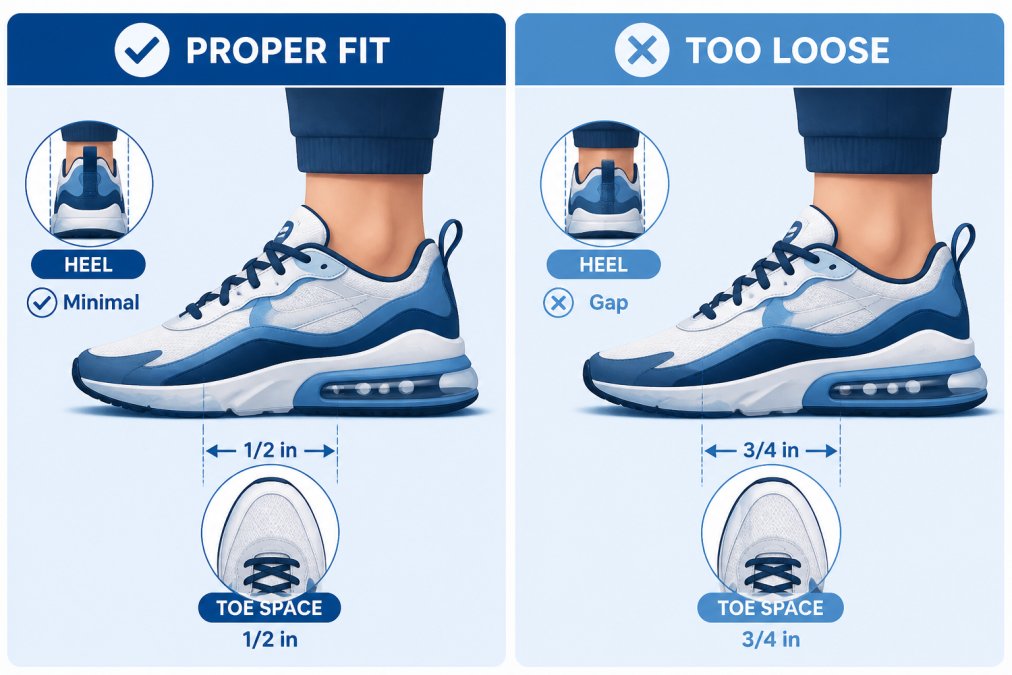
Brands vary significantly in how much wiggle room they build into their designs. Some shoes run tight while others run loose. Reading customer reviews helps identify these patterns. When shopping from 4GodsYourGlory's selection of Air Max React Sneakers, check the product reviews for fit feedback. Customers often mention whether shoes fit true to size or run narrow or wide.
Signs of Ill-Fitting Shoes
Recognizing signs of ill-fitting shoes helps you make better purchasing decisions and return shoes quickly if needed. Heel slippage occurs when your heel slides up and down inside the shoe as you walk. This happens when the shoe is too large or when the heel counter doesn't match your heel shape. Heel slippage causes blisters on the back of your heel and makes walking uncomfortable.
Pressure points indicate the shoe is too narrow or too short. You'll feel concentrated pain in specific areas, typically the ball of the foot, sides of the foot, or top of the foot. Pressure points often develop into blisters within hours of wearing the shoe. Bunions and other foot deformities can make certain shoes uncomfortable even if they fit your measurements correctly.
Toe jamming means your toes are compressed in the toe box. You might feel pain at the tips of your toes or experience numbness. This typically happens when shoes are too short or too narrow. Over time, toe jamming can contribute to problems like hammertoes or ingrown toenails.
Arch pain suggests the shoe's arch support doesn't match your foot's arch height. High-arched feet need shoes with substantial arch support. Flat feet may feel uncomfortable in shoes with excessive arch support. This is why understanding your arch type matters when you how to choose shoe size and fit.
How Should Running Shoes Fit
Running shoes require different fit considerations than casual sneakers. The impact and repetitive motion of running demands more precise fit. Running shoes should feel snug around the heel and midfoot but have adequate toe box space. Your heel should not slip inside the shoe, as this causes blisters during long runs.
The toe box should be roomy enough to accommodate natural foot swelling during your run. Your longest toe should have that thumb's width of space. The arch support should feel supportive without feeling like it's pushing too hard into your arch. If arch support feels painful, the shoe may not match your arch type.
Many runners size up a half-size from their casual shoe size. Running generates heat and causes feet to swell. A shoe that fits perfectly in a store might feel tight after 20 minutes of running. Testing shoes on a short run before committing to them helps identify fit issues early.
The midsole cushioning should feel responsive under your foot. Excessive cushioning can feel unstable, while insufficient cushioning leaves you feeling the impact. This is highly personal and depends on your running style and weight. Heavier runners often prefer more cushioning, while lighter runners may prefer a more responsive feel.
Using a Sizing Chart and Fit Consistency
Sizing charts provide a reference point, but consistency across brands varies significantly. One brand's size 10 may fit differently than another brand's size 10. This inconsistency frustrates many online shoppers. When you how to choose shoe size from different brands, treat each brand's sizing independently.
Most retailers provide brand-specific sizing guidance. Read these carefully. Check customer reviews for fit feedback. Phrases like "runs small" or "runs wide" indicate the shoe doesn't fit true to standard sizing. If multiple reviewers mention the same fit issue, take that information seriously.
Keep a record of your accurate foot measurements in length and width. Reference these measurements every time you shop. Many online retailers provide sizing tools that let you input your measurements and receive personalized recommendations. These tools use brand-specific data to predict how shoes will fit on your feet.
Return policies matter when shopping online. 4GodsYourGlory provides a straightforward online shopping experience, allowing you to order shoes, try them on in your environment, and return them if the fit isn't right. This removes risk from online shoe shopping. You can order the Air Max React Sneakers from 4GodsYourGlory, wear them around your home for a short period, and return them if they don't fit properly.
| Measurement | How to Take It | What It Determines |
|---|---|---|
| Foot Length | Heel to longest toe on flat surface | Primary shoe size |
| Foot Width | Widest part of foot, typically at ball | Width sizing (narrow, standard, wide) |
| Time of Day | Afternoon or early evening | Accounts for natural swelling |
| Arch Height | Visual assessment or professional fitting | Support level needed |
| Heel-to-Toe Drop | Brand-specific specification | Cushioning and support profile |
Choosing the right shoe size requires accurate measurement, understanding your foot's unique characteristics, and recognizing how different shoes fit your specific needs. Start by measuring both feet in the afternoon, accounting for natural swelling. Use those measurements as your baseline when shopping for sneakers and everyday footwear. Pay attention to fit feedback from other customers, especially regarding whether shoes run true to size or fit narrow or wide. When ordering online from 4GodsYourGlory, reference your measurements and read product reviews carefully. The Air Max React Sneakers from 4GodsYourGlory are designed with comfort and everyday wear in mind, featuring cushioned support and a versatile fit that works for active adults seeking reliable footwear. Start with accurate measurements, make informed choices based on brand-specific fit patterns, and take advantage of return policies to ensure you get shoes that fit perfectly.
Frequently Asked Questions
How do I determine my shoe size at home?
Measure your foot length on a flat surface using a ruler or tape measure. Stand on a piece of paper, mark your heel and longest toe, then measure the distance in inches. Compare this measurement to a sizing chart to find your shoe size. Measure both feet since they may differ slightly. For the most accurate result, measure in the afternoon when your feet are slightly swollen from daily activity, as this reflects how your feet feel during normal wear.
How much space should be between your toe and the end of the shoe?
You should have about a thumb's width of space (roughly half an inch) between your longest toe and the end of the shoe. This wiggle room prevents your toes from hitting the front of the shoe during walking and allows for natural foot swelling throughout the day. Too much space causes heel slippage and instability, while too little creates pressure points and blisters. Press down on the toe box to verify this clearance before purchasing.
Do shoe sizes vary by brand?
Yes, shoe sizes vary significantly by brand and style. A size 10 in one brand may fit differently than a size 10 in another due to differences in toe box width, arch support placement, and overall construction. Always check the brand's specific sizing chart and read customer reviews about fit consistency. When ordering from 4GodsYourGlory, our Air Max React Sneakers and other styles include detailed fit guidance to help you choose the right size for that particular shoe.
Is it better to size up or down in shoes?
Sizing up is generally safer than sizing down. Shoes that are too small cause immediate discomfort, blisters, and pressure points on your feet. Shoes that are slightly too large can be managed with thicker socks or insole adjustments. However, avoid sizing up more than half a size, as excessive space leads to heel slippage and reduced stability. Measure your feet accurately and use the brand's sizing chart to find your true size before considering any adjustment.
This article was written using GrandRanker