
Table of Contents
- What Makes High-Quality Headwear Different
- Examine the Anatomy of a Hat
- Assess Durable Headwear Fabrics and Material Composition
- Evaluate Signs of a Well-Made Baseball Cap
- Check Structure, Shape Retention, and Profile
- How to Clean Baseball Caps Properly and Maintain Quality
- Spot Cheap vs. High-Quality Headwear
- Verify Authenticity and Counterfeit Identification
Last Updated: August 24, 2026
What Makes High-Quality Headwear Different
High-quality headwear separates itself through deliberate construction choices that affect durability, comfort, and longevity. The foundation rests on four pillars: material selection, construction integrity, structural support, and finishing details. Each can be evaluated with your hands and eyes before you buy.

Examine the Anatomy of a Hat
Understanding a cap's basic components is the first step toward identifying quality.
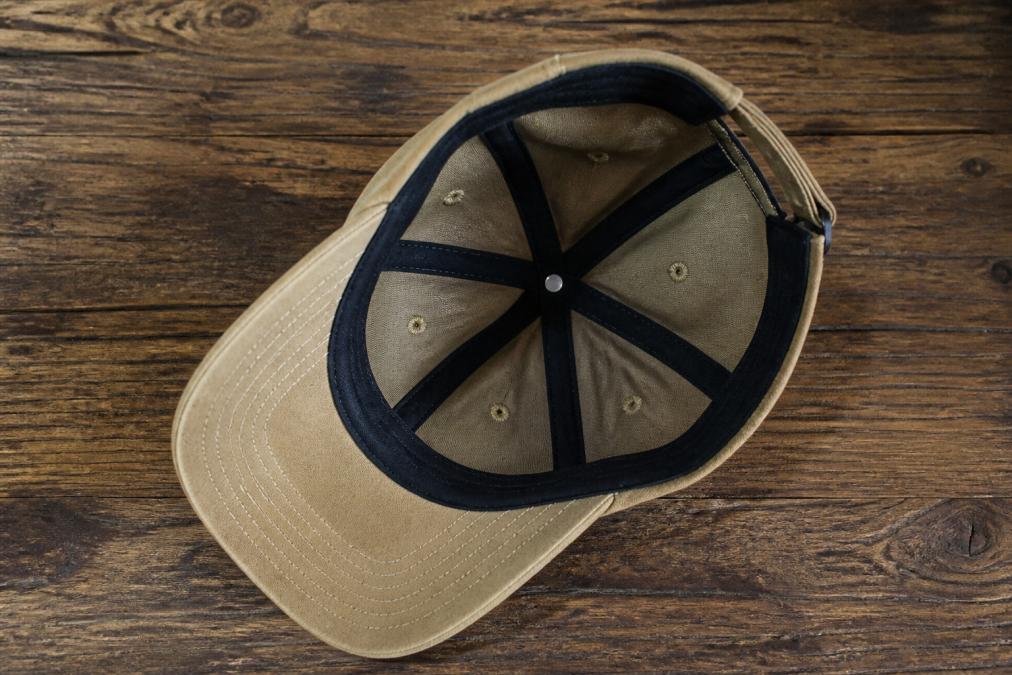
Crown, Bill, and Visor
The crown is the main body covering your head. The bill (also called the visor) is the brim extending forward. Quality caps feature a pre-curved visor that's been heat-set during manufacturing to hold its shape through repeated wearing and washing.
Press the bill with your thumb. A quality visor resists pressure and springs back. A cheap visor compresses easily and stays compressed. This single test reveals more about overall construction quality than most people realize. The resistance comes from internal materials called buckram or interlining, which are sewn or glued into the bill during manufacturing.
The crown's profile describes its height and shape. Quality caps maintain consistent profile regardless of style because the internal structure supports the intended shape. Budget caps often collapse or deform due to inadequate support.
Sweatband and Eyelets
The sweatband is the interior band touching your forehead. Quality sweatbands use moisture-wicking materials and are securely stitched with even, tight seams. Run your finger along the interior. Loose stitching means the band will separate with regular wear.
Eyelets are ventilation holes punched into the crown panels. On quality caps, eyelets are reinforced with metal or plastic grommets that prevent tearing. Cheap caps often have simple holes without reinforcement, which tear easily.
Assess Durable Headwear Fabrics and Material Composition
The fabric you choose determines how your cap will feel, how long it will last, and how it will age.
Natural vs. Synthetic Fibers
Natural fibers like cotton and wool breathe well and develop character over time. Cotton feels soft against skin; wool provides warmth and natural water resistance. Synthetic fibers like polyester and nylon are engineered for specific performance characteristics. Polyester resists wrinkles and costs less; nylon offers exceptional durability and quick-drying properties. Many quality caps blend natural and synthetic fibers to combine benefits of each.
The best choice depends on your climate and intended use. The 4GodsYourGlory collection includes options from 100% cotton caps at $29.95 to blended constructions designed for specific conditions.
Fabric Weight and Colorfastness
Fabric weight is measured in ounces per square yard. Heavier fabrics (12+ ounces) tend to be more durable and hold their shape better (the FTC). Lighter fabrics (8-10 ounces) feel more comfortable in warm weather but may not last as long.
Colorfastness refers to how well a fabric retains its color through washing and sun exposure. High-quality caps use dyes that bond tightly to fibers, so colors remain vibrant after repeated laundering. Budget caps often fade noticeably after just a few washes. Feel the fabric between your fingers. Quality materials have consistent texture and don't feel thin or papery.
Evaluate Signs of a Well-Made Baseball Cap
Construction quality separates caps that last from caps that disappoint.
Stitching Consistency and Seam Allowance
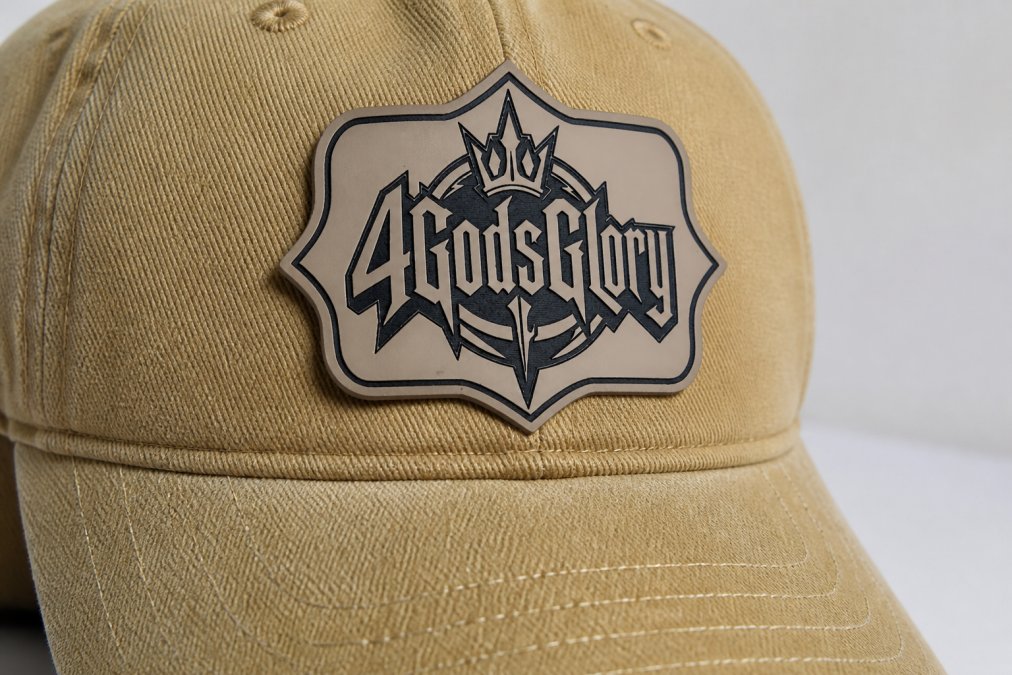
Examine the stitching on every seam. Quality caps feature stitching that's tight, even, and consistent in tension. The stitches should be small and closely spaced. Run your finger along seams on the inside and outside. They should feel smooth and secure, not loose or puckered.
Seam allowance is the distance between the fabric edge and the stitching line. Quality caps use adequate seam allowance (typically 0.5 to 0.75 inches) so seams don't unravel with wear. Quality caps typically feature 8-12 stitches per inch, while budget caps often have just 5-6 stitches per inch (peer-reviewed research).
Embroidery Quality and Detail
If the cap features embroidery, examine it closely. Quality embroidery has tight, consistent stitching with no loose threads or gaps. Run your finger across embroidered areas. Quality work feels smooth; poor embroidery feels rough or has threads that catch.
Look for thread fraying around embroidered edges. Quality caps have finished edges where excess thread has been trimmed cleanly. Budget caps often have loose threads hanging from embroidery, which only get worse with washing.
Check Structure, Shape Retention, and Profile
A cap's ability to maintain its intended shape throughout its lifespan separates quality from mediocrity.
Buckram and Interlining
Buckram is a stiffening material used in the bill to maintain its curve. Quality caps use buckram that's been properly fused to the fabric during manufacturing. The buckram should feel firm but not brittle.
Interlining serves a similar function in the crown, providing structure that prevents collapse. Quality caps use interlining appropriate for the fabric weight.
Press the bill between your fingers. It should resist compression and spring back when released. If the bill feels soft and compresses easily, the buckram is insufficient or poor quality.
Fitted vs. Snapback Closures
Fitted caps have a fixed size determined during manufacturing, sized in half-inch increments. Quality fitted caps are precisely sized and hold their shape consistently.

Snapback closures use plastic snaps that adjust to fit different head sizes. Quality snapback caps feature multiple snap positions allowing fine-tuning. The snaps should feel sturdy and click satisfyingly when fastened.
The 4GodsYourGlory Fitted Cap at $22.93 features a Richardson 112P design with a snapback closure, while the Under Armour Team Chino Hat at $34.22 offers an adjustable cloth strap closure with built-in HeatGear sweatband technology.
How to Clean Baseball Caps Properly and Maintain Quality
Proper maintenance extends the life of quality headwear significantly.
Gentle Washing Techniques
Hand washing is the gentlest approach. Fill a sink with cool water and add mild detergent. Submerge the cap and gently agitate for a few minutes, focusing on areas that accumulate sweat. Use gentle circular motions with your fingers. Rinse thoroughly under cool running water until all soap is gone. Squeeze out excess water gently. Never wring or twist the cap.
For stubborn stains, create a paste with baking soda and water. Apply it to the stained area and let it sit for 15-20 minutes before gently scrubbing. Machine washing is acceptable on a delicate cycle with cold water in a mesh laundry bag. Never use hot water or bleach.
Drying and Storage
Never put a quality cap in the dryer. High heat damages the buckram and can shrink the crown (the CDC). Remove excess water by gently squeezing and reshape the cap. Place it on a clean towel or hang it on a cap rack to air dry. As it dries, periodically adjust the bill to maintain its curve.
Store caps in a cool, dry place away from direct sunlight. A cap rack or shelf works well. Avoid storing caps in plastic bags, which trap moisture and can cause mildew. If you stack caps, place tissue paper between them to prevent color transfer and shape distortion.
Spot Cheap vs. High-Quality Headwear
These distinctions help you make confident purchasing decisions.
Manufacturing Consistency and Hardware Quality
Quality manufacturers maintain strict standards across every unit produced. When you examine multiple caps from the same quality brand, they look virtually identical. Cheap manufacturers have wide variation from unit to unit.
Inspect the hardware closely. Quality caps use sturdy snaps, rivets, and metal eyelets that feel substantial. Cheap caps use flimsy plastic components that break easily. Metal hardware should feel solid and secure. Check where hardware is attached. Quality caps reinforce attachment points with extra stitching or backing material.
Symmetry, Alignment, and Overall Finish
Hold the cap up to eye level and examine it from the front. Quality caps are perfectly symmetrical. The bill should be centered and the panels should align properly. Cheap caps often show obvious asymmetry, which indicates manufacturing sloppiness that usually correlates with other quality problems.
Examine the overall finish. Quality caps have clean edges where fabric has been properly cut and finished. Look inside the cap. Quality construction includes finished interior seams and proper binding. Run your hands over the entire cap, feeling for bumps, lumps, or inconsistencies. Quality caps feel smooth and uniform.
Verify Authenticity and Counterfeit Identification
Counterfeit headwear is increasingly common. Learning to spot fakes protects you from wasting money on products that won't perform as advertised.
Examine the packaging and labels carefully. Authentic caps come in quality packaging with clear, professional printing. Fake packaging often has spelling errors or poor print quality. The care label should be securely attached with clear, legible washing instructions.
Check the brand logo and branding elements. Counterfeit logos are often slightly off in size, color, or positioning. Compare the logo on the cap to official images from the brand's website. Authentic logos are perfectly executed.
Inspect the stitching on brand labels and patches. Authentic labels are stitched with precision. Fake labels often have loose, uneven stitching.
Look for holographic labels or security features if the brand uses them. Many premium brands include holographic elements that are difficult to counterfeit.
Purchase from authorized retailers whenever possible. Compare the price to market rates. If a cap is priced significantly below what authorized retailers charge, it's probably fake. Request a receipt or proof of authenticity from the seller. The Port & Company CP80 Six-Panel Twill Cap at 4GodsYourGlory ($14.06) comes with full documentation, while counterfeit versions would lack proper packaging and documentation.
Identifying high-quality headwear requires attention to construction details that most casual shoppers overlook. When you examine the anatomy, assess materials, evaluate stitching, and check structural integrity, you're reading the language of quality manufacturing. These markers consistently separate caps that last from caps that disappoint. Start with 4GodsYourGlory's curated selection of quality caps, where each product has been evaluated for material composition, stitching consistency, and durability standards. Get started today and experience the difference that genuine quality makes in your everyday essentials.
Frequently Asked Questions
Q: What materials are used in high-quality baseball caps?
A: Premium baseball caps typically use 100% cotton, cotton-polyester blends, or performance fabrics like those with elastane for stretch. High-quality headwear fabrics feature consistent weave, proper fabric weight (typically 6-8 oz for durability), and treatments for colorfastness. Natural fibers like cotton offer breathability, while synthetic blends add durability and shape retention. Check the label for material composition and avoid caps with thin, flimsy fabrics that lack structure.
Q: How can you tell if a hat is well-constructed?
A: Signs of a well-made baseball cap include straight, even stitching throughout all seams with consistent stitch length, quality embroidery without loose threads, and symmetrical alignment of panels and logos. Examine the sweatband for durability and proper attachment, check that the bill maintains its curve without creasing, and feel for adequate buckram or interlining that provides structure. Quality hardware like metal eyelets and sturdy closure mechanisms also indicate superior construction.
Q: Why is fabric weight important in headwear durability?
A: Fabric weight directly affects how long your headwear lasts. Heavier fabrics (6-8 oz or more) resist pilling, fading, and wear better than lightweight materials. Thicker cotton or blended fabrics maintain their shape through repeated wear and washing, while thin fabrics lose structure quickly and show signs of deterioration within months. Higher fabric weight also provides better sun protection and improved colorfastness, meaning the color stays vibrant longer without fading.
Q: How do I know if a baseball cap is authentic?
A: Authentic caps feature consistent stitching quality, proper logo placement and embroidery, correct hardware specifications, and accurate material composition on the label. Counterfeit headwear often shows crooked seams, loose threads, misaligned logos, and poor-quality embroidery. Check the sweatband for the brand's label with clear printing and proper formatting. Compare the cap against official product photos from the manufacturer, and purchase from authorized retailers like 4GodsYourGlory to ensure authenticity and quality assurance.
This article was written using GrandRanker