
Table of Contents
- Why Choose Nike Alternatives for Daily Sneakers
- Top Nike Alternatives for Daily Sneakers: Quick Comparison
- Most Comfortable Everyday Sneakers: Feature Breakdown
- How to Choose the Right Daily Sneaker for Your Needs
- Best Budget-Friendly and Premium Options
- Minimalist and Sustainable Alternatives
- What to Avoid When Shopping for Daily Sneakers
- Conclusion
Last Updated: August 11, 2026
Why Choose Nike Alternatives for Daily Sneakers
Finding the right everyday sneaker doesn't require spending top dollar on a household name. Nike alternatives for daily sneakers offer comparable comfort, durability, and style at different price points and with distinct design philosophies. The market has expanded dramatically, giving you genuine options that excel in specific areas Nike dominates broadly but doesn't own exclusively.
The real question isn't whether alternatives exist, they do, in abundance. It's whether you understand what matters for your specific foot, lifestyle, and budget. Some people need maximum cushioning for all-day standing. Others prioritize lightweight responsiveness. Still others care deeply about sustainability or price-per-wear over a multi-year ownership period.
At 4GodsYourGlory, we recognize that everyday sneakers are personal. What works for a commuter might frustrate a gym-goer. What justifies a $200 price tag for one person feels wasteful to another. This guide breaks down the real differences between Nike alternatives for daily sneakers, helping you identify which option actually fits your life rather than just your foot size.
Top Nike Alternatives for Daily Sneakers: Quick Comparison
The strongest competitors to Nike's daily lineup come from established brands with their own cushioning technologies and design priorities. Here's how the leading alternatives stack up:
| Brand & Model | Starting Price | Best For | Key Advantage |
|---|---|---|---|
| 4GodsYourGlory Air Max React | $95.95 | Daily commuters seeking affordability | Accessible pricing with proven cushioning |
| Hoka Clifton 9 | $150 | Runners and walkers needing plush support | Maximum cushioning without excessive weight |
| Brooks Ghost 15 | $140 | Everyday trainers wanting versatility | Balanced comfort across varied activities |
| New Balance 990v6 | $200 | All-day wear prioritizing premium materials | Made in USA craftsmanship and durability |
| Saucony Kinvara 14 | $120 | Speed-focused athletes and daily runners | Lightweight design with responsive feel |
| ASICS GEL-Kayano 30 | $160 | Overpronators needing stability support | Advanced adaptive stability technology |
| On Cloud 5 | $140 | Urban explorers and casual wearers | Distinctive style with unique cushioning |
| Allbirds Wool Runner | $110 | Eco-conscious consumers | Sustainable materials and breathability |
| Adidas Ultraboost Light | $190 | Daily wearers wanting energy return | Superior cushioning technology and grip |
| Reebok Nano X3 | $140 | Cross-trainers and gym-focused athletes | Versatile support for diverse workouts |
The most comfortable everyday sneakers balance three factors: how the shoe absorbs impact, how your foot moves inside it, and whether materials let your foot breathe. The alternatives above excel in different combinations of these elements.

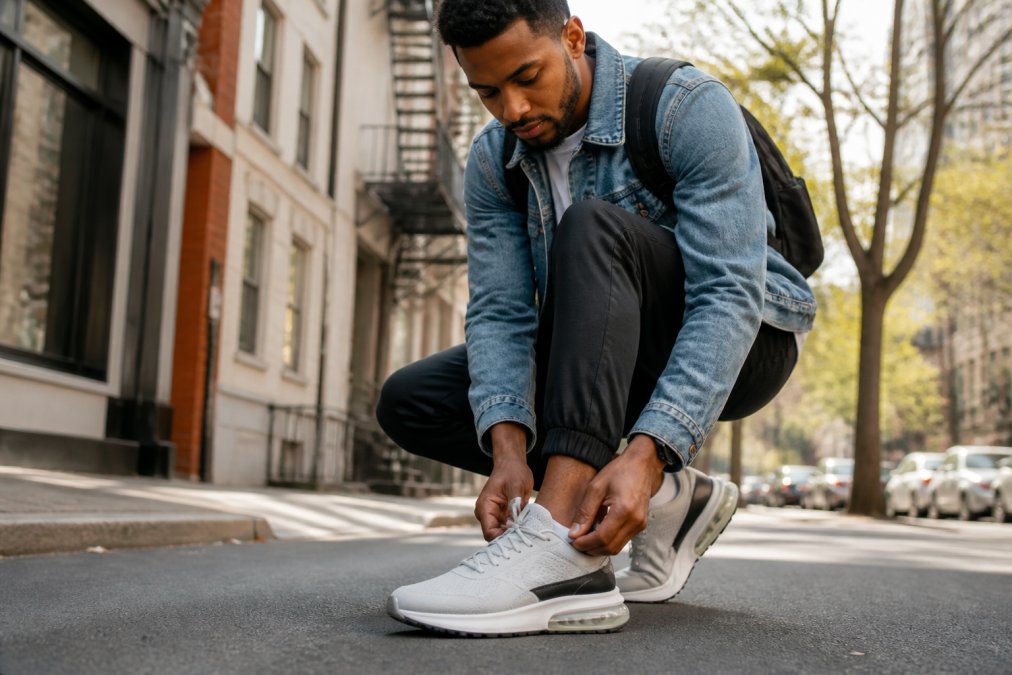
Most Comfortable Everyday Sneakers: Feature Breakdown
Comfort isn't a single feature, it's the result of how several technologies work together. Understanding cushioning, breathability, and support helps you identify which Nike alternatives for daily sneakers will actually feel good after eight hours of wear.
Cushioning and Shock Absorption
The midsole is where comfort happens. Different brands approach this differently, and the choice matters more than brand loyalty.
Hoka Clifton 9 uses a high stack height with responsive foam that absorbs impact while still feeling bouncy underfoot. This appeals to people who spend long days on their feet and want protection without feeling sluggish. Brooks Ghost 15 employs DNA LOFT v2 cushioning with a segmented crash pad that creates a smooth transition from heel strike to toe-off. It's designed for runners but works equally well for daily walkers who appreciate predictable, consistent comfort.
ASICS GEL-Kayano 30 combines PureGEL technology with FF BLAST PLUS ECO foam, creating what many describe as a cloud-like feel. The trade-off is weight, this shoe carries more mass than minimalist alternatives, but that density translates to protection for people with joint concerns.
Adidas Ultraboost Light takes a different approach with Light BOOST foam, which prioritizes energy return. You feel more of the ground beneath you compared to maximum-cushioning shoes, but each step gives back some of the energy you expend. This suits people who find overly soft shoes fatiguing after hours of wear.
The practical difference: if you're standing for eight hours, maximum cushioning wins. If you're moving constantly and want responsiveness, energy-return technology wins. For most daily wear, a middle ground like Brooks or On Cloud works better than extremes.
Breathability and Material Quality
Your foot generates heat and moisture. Shoes that manage this keep your foot comfortable and prevent the bacterial growth that causes odor.
Allbirds Wool Runner uses merino wool, which naturally regulates temperature and resists odor better than synthetic mesh. The material feels softer against skin and works exceptionally well in varied climates. The drawback: merino wool doesn't dry as quickly as engineered mesh if your shoes get wet.
Most alternatives use engineered mesh uppers designed for breathability. Brooks Ghost 15, Saucony Kinvara 14, and Adidas Ultraboost Light all feature mesh that allows airflow while providing structure and support. The difference between them is subtle, Saucony's redesigned mesh is slightly more open, while Adidas uses PRIMEKNIT+ for a snugger fit.
New Balance 990v6 uses a mix of materials including overlays that provide support but reduce overall breathability compared to full-mesh alternatives. This is intentional, the 990v6 prioritizes durability and support over maximum ventilation. It's still breathable enough for daily wear, just not optimal for hot weather or intensive activity.
Material quality also determines longevity. Synthetic mesh wears faster than reinforced knit, but it's lighter. Real leather or suede lasts longer but requires maintenance. Most daily sneakers use a mix: mesh for breathability, synthetic overlays for durability, and rubber reinforcement in high-wear areas.
How to Choose the Right Daily Sneaker for Your Needs
The wrong shoe choice leads to discomfort that compounds over months. The right choice becomes invisible, you stop thinking about your feet and focus on what you're doing.
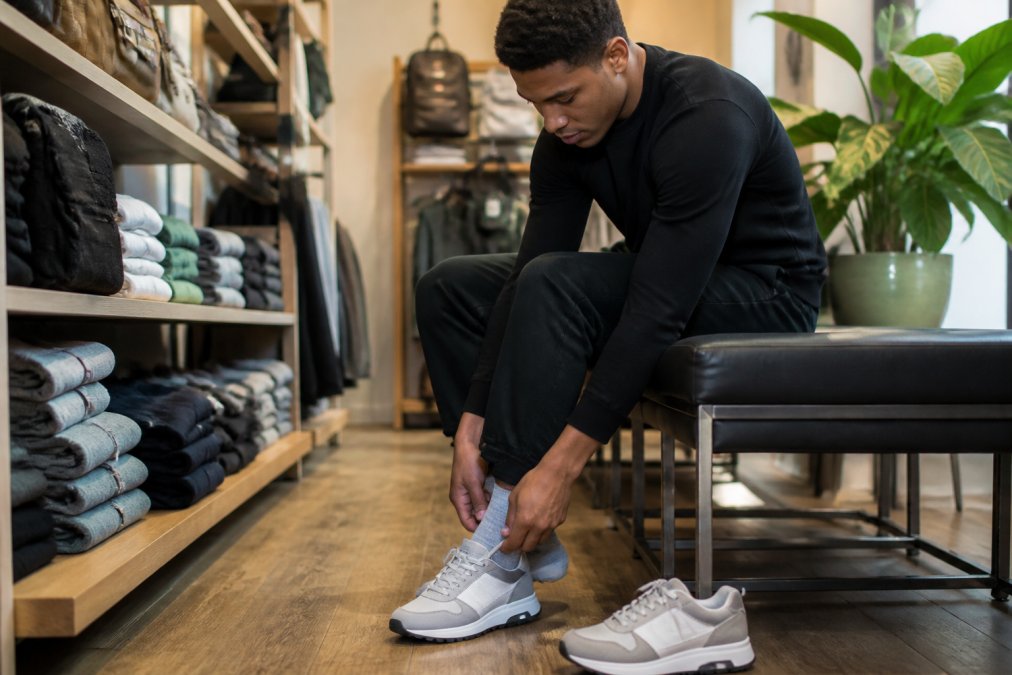
Assess Your Foot Type and Support Requirements
Pronation, how your foot rolls when you walk, determines whether you need neutral, stability, or motion-control shoes. Neutral shoes work for people whose feet roll naturally. Stability shoes add support for mild overpronation. Motion-control shoes prevent excessive rolling.
You can assess your own pronation by looking at wear patterns on old shoes. If the inside of the heel and forefoot are worn more, you overpronate. If the outside is worn more, you underpronate. Even wear suggests neutral pronation.
ASICS GEL-Kayano 30 is built for overpronators with its 4D GUIDANCE SYSTEM. If you overpronate and wear a neutral shoe, you'll feel instability and potential knee or hip strain by day's end. Conversely, if you have neutral pronation and wear a stability shoe, you'll feel the extra support working against your natural movement.
Arch height matters equally. Flat feet need more support than high arches. Most brands offer multiple widths, and some specialize in specific arch types. New Balance, for instance, offers widths from extra narrow to extra wide, and different models suit different arch heights.
The practical step: if you experience foot or knee pain in current shoes, consider pronation and arch support before assuming the shoe brand is wrong. Many people switch brands when they actually need a different support level.
Consider Durability and Price-Per-Wear
A $200 shoe that lasts three years costs $0.18 per day. A $100 shoe that lasts one year costs $0.27 per day. Price-per-wear reveals the true cost of ownership.
Durability depends on materials and construction. New Balance 990v6 uses premium materials and USA manufacturing, which typically extends lifespan. Saucony Kinvara 14 uses lighter materials and wears faster, especially the outsole. This doesn't make it a bad choice, it's designed for people who replace shoes frequently and prioritize lightweight feel over maximum longevity.
Some shoes are repairable. Resoling, replacing the worn outsole, extends life by 1-2 years and costs $50-$100 at a specialty cobbler. Most modern sneakers are glued rather than stitched, making resoling difficult or impossible. New Balance and some heritage brands are more repairable than newer designs.
Consider also the replacement cycle. If you run 20 miles per week, your shoes last 300-500 miles before cushioning degrades. That's roughly 3-4 months. For daily casual wear without running, shoes last 12-24 months depending on intensity.
Best Budget-Friendly and Premium Options
Your budget determines which alternatives make sense. The budget category offers real value. The premium category justifies cost through materials and longevity.
4GodsYourGlory Air Max React Sneakers at $95.95 deliver cushioned comfort for daily commuting and casual wear. These are accessible entry points into quality everyday sneakers without premium pricing. The shoe combines proven air cushioning technology with clean styling that pairs with most outfits. For someone testing whether they prefer alternatives to Nike's premium pricing, this represents genuine value.

Saucony Kinvara 14 at $120 targets runners and daily wearers who prioritize lightweight feel. The PWRRUN foam and responsive design appeal to people who find heavier shoes fatiguing. This price point sits between budget and mid-range, offering technology typically found in more expensive shoes.
Allbirds Wool Runner at $110 serves eco-conscious buyers. The sustainable materials and machine-washable design justify the price for people who value environmental impact. It's not the most durable option, but for casual daily wear, it competes effectively on both price and values alignment.
New Balance 990v6 at $200 sits at the premium end, justified by Made in USA manufacturing, premium materials, and exceptional durability. This shoe appeals to people who keep shoes for multiple years and want the best all-day comfort available. The higher upfront cost pays dividends over extended ownership.
Adidas Ultraboost Light at $190 offers premium cushioning technology and superior outsole grip. The price reflects advanced foam technology and construction quality. It's best for people who value energy return and want a responsive feel without sacrificing durability.
Minimalist and Sustainable Alternatives
Some people reject maximum cushioning entirely, seeking shoes that let your foot work naturally. Others prioritize environmental impact over performance metrics.
Minimalist shoes have zero-drop or near-zero-drop soles, meaning the heel and forefoot sit at the same height. This encourages a more natural gait and engages foot muscles that cushioned shoes suppress. The learning curve is steep, switching to minimalist shoes requires gradual adaptation, typically 4-8 weeks.
Barefoot-style shoes take minimalism further, with extremely thin soles and wide toe boxes that let toes spread naturally. These appeal to people with specific foot shapes or those recovering from injuries that conventional shoes aggravate. They're not ideal for daily wear in most climates, but for specific use cases, they excel.
Allbirds Wool Runner represents the sustainable alternative without being fully minimalist. It uses renewable materials, employs ethical manufacturing, and ships in recyclable packaging. The SweetFoam midsole made from sugarcane-based materials reduces environmental impact without sacrificing comfort.
Sustainable doesn't mean expensive. Allbirds at $110 proves that eco-friendly materials don't require premium pricing. The trade-off is durability, sustainable materials sometimes wear faster than synthetic alternatives. For people replacing shoes frequently anyway, this is acceptable.
What to Avoid When Shopping for Daily Sneakers
Common mistakes in sneaker selection lead to wasted money and discomfort.
Avoid buying based purely on aesthetics. A shoe that looks perfect but doesn't fit your foot type will create problems within weeks. Comfort always outlasts visual appeal.
Avoid assuming your Nike size translates to other brands. Shoe sizing varies significantly. A size 10 in Nike might be a 10.5 in New Balance or a 9.5 in Saucony. Always check brand-specific sizing charts and read reviews mentioning fit before purchasing.
Avoid maximum cushioning if you have neutral pronation and prefer responsive feel. Overly soft shoes can feel unstable and fatiguing for people who don't need that level of support. Match the shoe to your needs, not to marketing claims about comfort.
Avoid ignoring break-in periods. Most quality sneakers require 20-40 hours of wear before settling into their final comfort level. Initial tightness or stiffness doesn't necessarily mean the shoe is wrong, it might mean you need to give it time.
Avoid buying multiple pairs of the same model hoping they'll all fit identically. Manufacturing tolerances mean variation between pairs. If a shoe fits perfectly, buy duplicates immediately rather than assuming future pairs will match.
Avoid synthetics-only uppers if you live in humid climates or have sweat-prone feet. Mesh or natural materials manage moisture better than plastic-like synthetics. This is where Allbirds excels, merino wool naturally handles moisture better than any synthetic alternative.
Finding the right Nike alternatives for daily sneakers means matching shoe characteristics to your specific foot, activity level, and budget. The options outlined here represent the strongest competitors across different priorities. Whether you prioritize maximum cushioning, lightweight responsiveness, sustainability, or value, an alternative exists that outperforms Nike's offerings in that specific dimension.
The best choice is the one you'll actually wear comfortably every day. Test shoes before committing to full-price purchases when possible, and remember that comfort emerges over the first few weeks of wear. Start with 4GodsYourGlory's Air Max React Sneakers at $95.95 for a proven entry point into quality daily footwear, or explore the specialized options above if your needs demand specific features like maximum stability, sustainable materials, or premium durability.
Frequently Asked Questions
What are the best Nike alternatives for everyday use?
Several brands offer excellent daily sneakers that match or exceed Nike's comfort and durability. Hoka Clifton 9, Brooks Ghost 15, New Balance 990v6, and On Cloud 5 are top alternatives for everyday wear. Each delivers different strengths: Hoka excels in cushioning, Brooks offers versatility, New Balance provides premium construction, and On Cloud 5 combines style with lightweight comfort. The best choice depends on your foot type, budget, and whether you prioritize shock absorption, breathability, or all-day wearability.
How do I choose the right daily sneaker for my foot type?
Start by identifying whether you have a neutral gait, overpronate, or underpronate. Neutral walkers have the widest selection; consider cushioning level and style preference. If you overpronate, ASICS GEL-Kayano 30 offers stability features. Check the toe box width and arch support specifics: some brands like Brooks Ghost 15 come in multiple widths. Visit a specialty running store for a gait analysis if unsure. Test the shoe's flexibility and heel cushioning before committing, and verify the shoe's midsole technology matches your comfort needs.
Are there durable sneaker alternatives that last longer than Nike?
Yes. New Balance 990v6 and Brooks Ghost 15 are known for exceptional longevity with proper care. New Balance uses ENCAP midsole technology and premium materials that resist breakdown over time. Brooks Ghost 15 features a durable rubber outsole and DNA LOFT cushioning that maintains its properties through high mileage. Saucony Kinvara 14 and Adidas Ultraboost Light use quality construction but may wear faster with heavy use. Price-per-wear analysis favors shoes that last 400+ miles; premium options with better durability often justify higher upfront costs.
What sustainable sneaker brands offer good alternatives to Nike?
Allbirds Wool Runner stands out for eco-conscious daily wear, using ZQ Merino wool and SweetFoam midsole made from sugarcane. Adidas Ultraboost Light incorporates recycled ocean plastic and sustainable manufacturing. Saucony Kinvara 14 contains recycled materials and vegan-friendly options. These brands prioritize environmental impact without sacrificing comfort or style. Allbirds is best for minimalist aesthetics and breathability, while Adidas offers more cushioning for long-distance comfort. All three deliver everyday versatility for users seeking sustainable footwear choices.
This article was written using GrandRanker