
Table of Contents
- The Real Cost Behind Air Max Sneakers
- Manufacturing and Production Expenses
- Visible Air Unit Engineering and Design Complexity
- Research and Development Investment
- How to Spot Fake Sneakers and Protect Your Investment
- Brand Equity, Marketing, and Retail Markup
- How to Clean Air Max Sneakers and Maintain Their Value
- Resale Market Impact and Perceived Value
- Frequently Asked Questions
Last Updated: September 17, 2026
The Real Cost Behind Air Max Sneakers
Why do air max sneakers cost more than standard athletic shoes? You're paying for decades of engineering innovation, specialized manufacturing processes, and a visible air unit requiring precision tooling most competitors can't replicate. The pricing breakdown reveals exactly where your money goes.

A typical Air Max sneaker retails between $100 and $180, while comparable shoes from lesser-known brands sell for $50 to $80. That price gap reflects real differences in production costs, material sourcing, research investment, and brand equity throughout the supply chain.
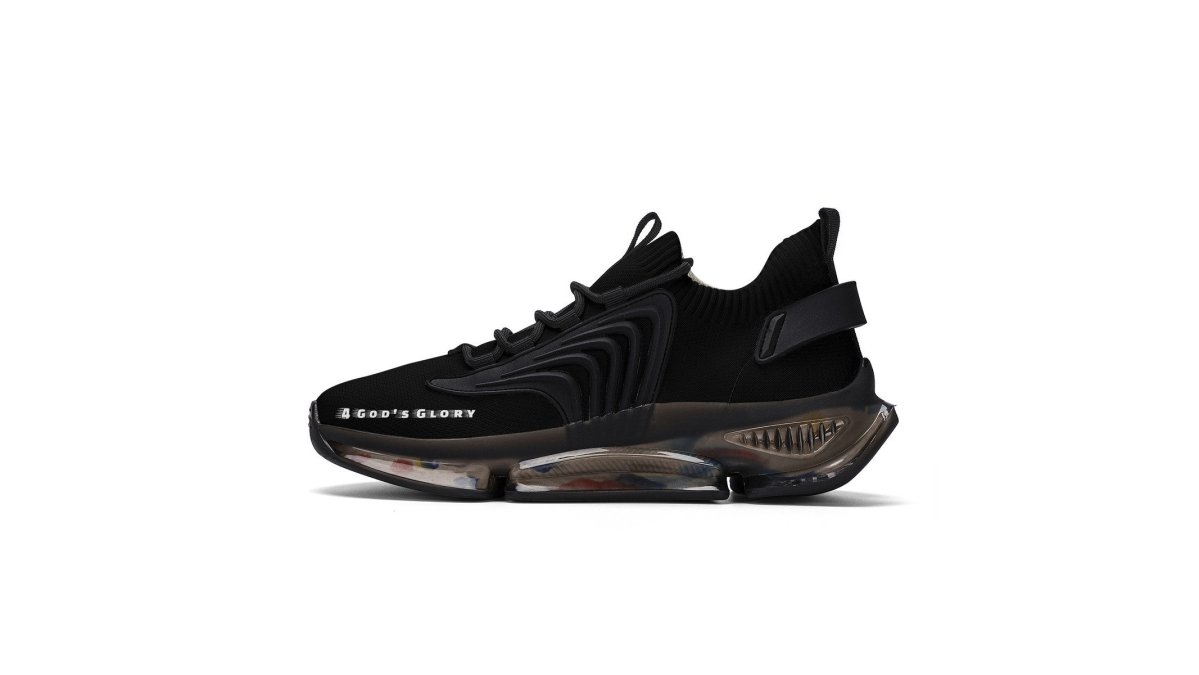
The visible air unit, that transparent cushioning technology visible in the heel and sometimes the forefoot, demands specialized manufacturing equipment costing millions to develop and maintain. Premium materials, rigorous quality control, and global distribution logistics compound these costs.
Manufacturing and Production Expenses
Manufacturing Air Max sneakers involves specialized processes generic production can't match. The visible air unit requires precision injection molding with equipment calibrated to tolerances measured in fractions of a millimeter, one misalignment ruins the entire batch.
Premium materials, Flyknit textiles, synthetic suede overlays, reinforced stitching, cost more per unit than basic mesh. The midsole uses react foam requiring specific formulations and curing times. The outsole uses TPU and EVA compounds engineered for durability and flexibility.
Factories producing Air Max sneakers operate under stricter quality standards than mass-market facilities. Workers receive precision training, and quality inspectors examine every pair before shipment, adding significant time and payroll to per-unit costs.
Supply chain logistics compound costs: sourcing premium materials, maintaining inventory buffers, and coordinating multi-facility production increase overhead. Demand spikes for limited editions force accelerated production, raising per-unit costs further.
Visible Air Unit Engineering and Design Complexity
The visible air unit justifies much of the Air Max premium. Unlike hidden technologies, it must perform flawlessly while looking visually distinctive, a dual requirement driving engineering complexity and manufacturing cost.
Developing a visible air unit requires extensive research calculating precise air pressure, chamber dimensions, and material thickness. The transparent sole must resist yellowing, cracking, and delamination, material failures damage reputation and trigger warranty claims.
Manufacturing visible air units demands specialized equipment maintaining exact temperatures and pressures. Air chambers must be perfectly sealed, microscopic leaks compromise performance. Pressure testing and visual inspection of each unit cost significantly more than standard midsole construction.
Design complexity extends beyond the air unit. The silhouette, heel counter, toe box, and midfoot support require engineering refinement to work with the air system. Each design iteration involves prototype testing and specification refinement, spreading R&D investment across all units produced.
The visible air unit enables premium positioning, consumers recognize it instantly, signaling performance and innovation in ways hidden technologies cannot. This psychological advantage justifies higher retail pricing and efficient investment recovery.
Research and Development Investment
Every Air Max sneaker represents years of accumulated research and development. The visible air unit evolved through countless iterations and testing cycles, with R&D costs distributed across every shoe produced.
Footwear engineering involves biomechanics research, materials science, and design iteration. Teams collaborate for months on each silhouette, conducting wear testing with athletes and users, analyzing gait patterns and pressure distribution, and testing durability under extreme conditions.
Material development consumes substantial R&D budgets. Finding the right foam compound requires testing hundreds of formulations. React foam represents years of chemical engineering and manufacturing development, amortized across millions of units but adding measurable per-shoe cost.
Manufacturing process innovation drives R&D spending: creating efficient production methods for visible air units, perfecting Flyknit integration, and optimizing quality control. Specialized machinery costing millions to install and maintain factors into production cost calculations.
The brand invests in performance testing, athlete partnerships, and durability studies, contributing to brand credibility. These investments justify premium retail pricing and stronger profit margins.
How to Spot Fake Sneakers and Protect Your Investment
Counterfeit Air Max sneakers flood online resale channels. Learning to authenticate protects your wallet and feet, fakes use inferior materials compromising comfort and durability.
Examine the visible air unit closely. Authentic units have perfectly clear, bubble-free chambers. Counterfeits show cloudiness, air bubbles, or visible seams. Hold the shoe to light, any haziness is a red flag.
Check stitching quality across the shoe. Authentic Air Max features even, tight stitching with consistent spacing. Counterfeit stitching appears uneven with loose threads. The heel pull tab should be firmly attached and symmetrical.
Authentic Flyknit textiles feel smooth and tightly woven; counterfeits feel rough and separate easily. Synthetic suede should feel soft and consistent; fakes feel stiff. Insoles should feel quality with proper cushioning; counterfeits feel thin and cheap.
Check the box and packaging details. Authentic boxes feature high-quality printing with sharp logos and consistent colors. Counterfeits show blurry printing, color inconsistencies, or spelling errors. The shoe size and model information should match perfectly across the box, insole, and tongue tag. Mismatches indicate a counterfeit.
When purchasing from resale platforms, buy only from verified sellers with strong authentication track records. Request detailed photos showing the visible air unit, stitching, materials, and overall condition. Ask questions about the shoe's history and usage. Legitimate sellers provide transparent information and accept returns if authenticity is questioned.
Brand Equity, Marketing, and Retail Markup
Brand equity accounts for substantial Air Max pricing. The brand name carries decades of association with innovation, performance, and style, allowing retailers to charge premium prices consumers willingly pay.
Marketing investments reinforce brand equity through athlete sponsorships, team funding, and campaigns costing millions annually. These expenses factor into pricing strategy, allowing higher markups than generic alternatives.
Retail markup reveals pricing flow: manufacturers produce at $35-$50 wholesale cost, retailers purchase at $60-$75 and mark up to $100-$180 retail. This 50-100% markup covers retailer overhead, staff, rent, and profit.
Limited edition releases amplify pricing through scarcity psychology. Releasing only 5,000 pairs creates demand exceeding supply, allowing premium pricing. This scarcity fuels the resale market, where prices double or triple.
Distribution logistics add another layer of cost. Getting sneakers from factories to distribution centers to retail stores requires transportation, warehousing, and inventory management. International shipping, customs clearance, and regional distribution all add expense. These logistics costs vary by geography, which explains why the same sneaker might cost different amounts in different countries.
How to Clean Air Max Sneakers and Maintain Their Value
Proper cleaning and maintenance preserve visual appeal and structural integrity, directly impacting resale value. The visible air unit requires special attention as the transparent sole can yellow or cloud with neglect.
Start with a soft-bristled brush to remove loose dirt and debris. Work gently across the shoe, paying special attention to the midsole and visible air unit where dirt accumulates.
For the visible air unit, use a damp cloth with mild soap and warm water. Wipe gently, hard scrubbing clouds the material. Avoid harsh chemicals or bleach. Pat dry immediately.
Clean textile and suede separately. For Flyknit, use a soft brush with mild soap and water. For suede overlays, use specialized suede cleaner or a soft eraser. Test cleaners on inconspicuous areas first.
Scrub the outsole gently with a soft brush and soapy water. Use a magic eraser for stubborn stains. Dry thoroughly before storing.
Store in a cool, dry place away from direct sunlight, which causes fading and yellowing. Use shoe trees or tissue paper to maintain shape. Store in original boxes to protect from dust and maintain resale appeal.
Avoid harsh conditions that accelerate wear. Salt, sand, and mud degrade materials faster. Rotating between pairs extends lifespan and preserves value better than daily wear.
Resale Market Impact and Perceived Value
The secondary sneaker market shapes retail pricing. When shoes resell for $150-$300, retailers maintain higher prices because consumers view purchases as investments.
Limited edition releases sell out within hours, then appear on resale platforms at premium prices.
| Factor | Impact on Retail Price | Resale Value Effect |
|---|---|---|
| Limited edition release | Increases 20-50% | Multiplies 1.5-3x |
| Brand collaboration | Increases 30-60% | Multiplies 2-5x |
| Visible air unit feature | Increases 15-25% | Maintains premium |
| Colorway exclusivity | Increases 10-20% | Multiplies 1.2-2x |
| Athlete endorsement | Increases 10-15% | Maintains value |
Frequently Asked Questions
What makes Air Max sneakers more expensive than regular cushioned shoes?
Air Max sneakers cost more due to their proprietary visible air unit technology, advanced cushioning materials, extensive R&D investment, and brand equity. The visible air cushion requires specialized manufacturing processes that increase production costs. Additionally, the brand's marketing presence and retail markup add to the final price. When you buy Air Max sneakers, you're paying for proven comfort engineering, durability, and the brand's reputation for performance footwear.
How do I spot fake sneakers and ensure I'm getting authentic Air Max?
Authentic Air Max sneakers have precise stitching with consistent patterns and no loose threads. Check the visible air unit for clarity and proper cushioning firmness. Examine the heel pull tab, tongue branding, and sole transparency closely. Verify the box quality, label printing, and product serial numbers. Purchase from authorized retailers like 4GodsYourGlory to guarantee authenticity. Counterfeit versions often have misaligned logos, poor material quality, and weak air cushions that deflate quickly.
Do Air Max sneakers hold their value in the resale market?
Yes, Air Max sneakers typically maintain strong resale value, especially limited edition releases and classic silhouettes. The secondary market demand supports prices 50-70% of retail for well-maintained pairs. Factors affecting resale value include condition, rarity, original box presence, and market demand for that specific model. Proper care and storage significantly impact long-term value, making maintenance an important investment consideration.
What's the best way to clean Air Max sneakers to preserve their condition?
Clean Air Max sneakers with a soft cloth and mild soap solution, avoiding harsh chemicals that damage materials. Hand wash gently and air dry completely to preserve the visible air cushion integrity. Never machine wash or use high heat. For the transparent sole, use a soft brush to remove dirt. Regular maintenance prevents material degradation and keeps sneakers looking new longer, which protects their resale value and extends their lifespan.