
Table of Contents
- The Case for Boutique Sneaker Retailers
- Curated Inventory and Exclusive Access
- Sneaker Boutique vs Big Box Store: Key Differences
- How to Spot Authentic Sneaker Retailers
- Benefits of Shopping at Independent Sneaker Stores
- Authentication and Supply Chain Transparency
- Building Relationships in the Sneaker Community
- Conclusion
Last Updated: August 17, 2026
The Case for Boutique Sneaker Retailers
Shopping for sneakers online has become routine, but the choice of where to buy matters more than most people realize. When you shop at boutique sneaker retailers instead of big-box chains, you're making a deliberate choice about the kind of experience and product quality you want. Boutique sneaker retailers have carved out a distinct niche by offering something the giants can't replicate: genuine expertise, carefully curated inventory, and authentic community connection.
The sneaker market has exploded in recent years, with hype culture, limited editions, and exclusive collaborations driving demand far beyond functional footwear. This is where boutique sneaker retailers shine. They understand the nuances of the market, which brands matter, what makes a colorway rare, why authentication matters, and how to build relationships that keep customers coming back. Unlike mass-market retailers that treat sneakers as commodity items, boutique retailers recognize them as cultural artifacts worthy of respect and knowledge.
At 4GodsYourGlory, we've seen firsthand how boutique retailers approach their business differently. They stock products with intention. They verify authenticity. They engage with their customer base as community members, not transaction numbers. This guide explores why choosing boutique sneaker retailers makes sense for serious sneaker enthusiasts and casual buyers alike.
Curated Inventory and Exclusive Access
The inventory difference between boutique sneaker retailers and mass-market stores is fundamental. Boutique retailers don't carry everything, they carry what matters. This curation is intentional, driven by deep knowledge of trends, customer preferences, and brand relationships that big-box stores simply don't maintain.
Boutique sneaker retailers gain access to exclusive collaborations and limited releases through long-standing relationships with brands and designers. These drops often bypass major retailers entirely. A boutique might secure 50 pairs of a coveted collaboration that a big-box chain never sees. This exclusivity creates real value for customers who want rare finds and deadstock inventory that appreciates over time rather than depreciates.
The secondary market for sneakers is substantial, and boutique retailers understand this dynamic. They recognize that certain releases hold value, that colorways matter, and that limited edition sneakers attract collectors willing to pay premium prices. This knowledge shapes their buying decisions. They stock strategically, knowing which products will resonate with their specific customer base.
Boutique retailers also curate for quality consistency. They don't fill shelves with mediocre options just to hit inventory targets. Every pair on display has passed their evaluation. This approach means customers spend less time sorting through options and more time finding exactly what they need. The shopping experience becomes efficient rather than overwhelming.
For customers seeking specific styles, whether it's a particular Air Max React colorway or a rare collaboration, boutique retailers offer a focused selection that makes discovery easier. Rather than browsing thousands of generic options, you're exploring a thoughtfully assembled collection. This is the difference between retail curation and retail warehousing.

Sneaker Boutique vs Big Box Store: Key Differences
The structural differences between boutique sneaker retailers and big-box stores run deep. Understanding these distinctions helps explain why many customers prefer the boutique experience.
Big-box retailers prioritize volume and efficiency. Their supply chain is optimized for moving maximum inventory at minimum margins. They compete on price and selection breadth. A major chain might carry 200 different sneaker models across multiple brands, but depth on any single model is limited. Staff turnover is high, product knowledge is shallow, and the focus is on transaction speed.
Boutique sneaker retailers operate on different economics. They carry fewer SKUs but maintain deeper inventory on items that matter to their community. Their margins are higher because they're not competing on price alone. Staff are often passionate about sneakers themselves, with genuine knowledge of product history, construction details, and cultural significance. The goal isn't to maximize transactions per hour, it's to build lasting customer relationships.
This difference extends to customer service. A big-box employee can tell you a shoe's size and color. A boutique retailer can tell you the shoe's history, which celebrities wore it first, why this particular colorway is rare, and whether it's likely to appreciate on the secondary market. This expertise creates tangible value that justifies higher prices.
Return policies and post-purchase support differ significantly. Big-box stores handle returns as a logistics problem. Boutique retailers handle them as a customer relationship issue. They're more flexible, more willing to work with you on fit issues, and more likely to go beyond the stated policy to keep a customer satisfied.
The retail atmosphere matters too. A big-box store is designed for efficiency, bright fluorescent lighting, dense racks, minimal seating. A boutique sneaker retailer creates an environment where you want to spend time. Better lighting, display cases that showcase product quality, seating areas for trying on shoes, and staff who engage in conversation rather than pushing transactions.
How to Spot Authentic Sneaker Retailers
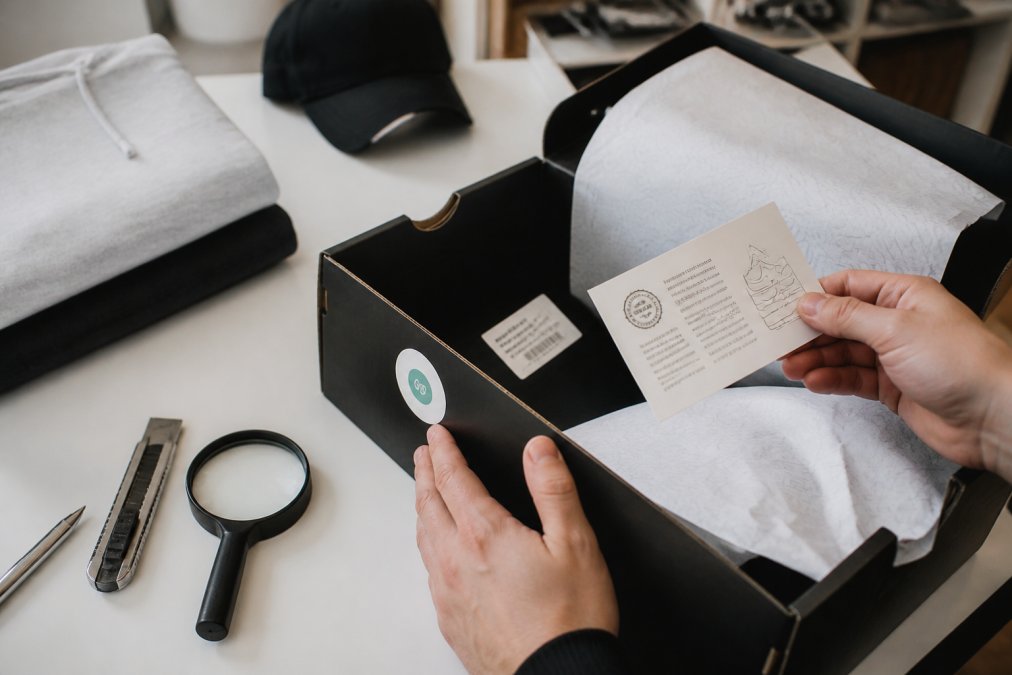
Authenticity verification is non-negotiable when buying sneakers, especially online. Counterfeit sneakers are sophisticated and widespread. Knowing how to identify a legitimate boutique retailer protects you from fakes and scams.
Legitimate boutique sneaker retailers are transparent about their sourcing. They explain where their inventory comes from, direct from brands, authorized distributors, consignment partnerships, or curated deadstock. This transparency builds trust. If a retailer won't explain their sourcing, that's a red flag. Authentic retailers have nothing to hide.
Look for retailers that offer authentication guarantees. Many boutique sneaker retailers provide written guarantees that every pair is authentic, with clear recourse if a product fails verification. Some work with third-party authentication services to verify inventory before sale. This commitment to authenticity is expensive and time-consuming, legitimate retailers absorb this cost because it's central to their value proposition.
Check their supply chain transparency. Real boutique retailers can trace products back to their source. They maintain relationships with specific distributors, collaborate with brands directly, or work with established consignment networks. They're not buying from unknown wholesale sources or gray-market channels. This traceability is difficult to fake and separates genuine retailers from opportunists.
Customer reviews matter, but read them carefully. Look for specific feedback about authenticity, fit, condition, and customer service. Generic praise ("great store!") is less meaningful than detailed reviews that demonstrate real experience. Legitimate retailers accumulate detailed, specific reviews over time. New retailers with only generic praise should raise suspicion.
Real boutique sneaker retailers have established retail presence. They've been in business for years, maintain social media accounts with authentic engagement, and participate in the sneaker community genuinely. They sponsor local events, collaborate with other retailers, and build reputation through consistent behavior. This presence is difficult to fabricate.
Benefits of Shopping at Independent Sneaker Stores
Independent sneaker stores deliver benefits that extend beyond the transaction itself. The value accumulates over time as you develop relationships and gain access to opportunities unavailable elsewhere.
Product knowledge is the first tangible benefit. Staff at independent sneaker stores genuinely understand their inventory. They can explain construction details, discuss brand history, recommend alternatives based on your specific needs, and help you understand why certain shoes command premium prices. This expertise saves you time and money by helping you make informed decisions rather than impulse purchases.
Personalized service is standard at independent stores. Staff remember your preferences, alert you to new arrivals that match your interests, and hold items when they know you'll want them. This personal attention creates a shopping experience that feels tailored to you. Big-box retailers can't replicate this because their staff structure doesn't support it.
Access to rare inventory is a significant advantage. Independent sneaker retailers source products through channels unavailable to mass-market stores. They secure limited releases, exclusive collaborations, and deadstock items that appreciate in value. If you're serious about collecting, this access is invaluable.
Community connection is often overlooked but deeply important. Independent sneaker stores function as community hubs where enthusiasts gather, share knowledge, and build relationships. They host events, collaborate with local artists and designers, and create space for sneaker culture to flourish. This community aspect transforms shopping from a solitary transaction into participation in something larger.
Loyalty programs at independent stores often provide genuine value. Rather than generic point systems, many boutique retailers offer early access to limited releases, special discounts on collaborations, or invitations to exclusive events. These programs reward your loyalty with real benefits.
Supporting independent retailers has broader implications. You're funding local businesses, supporting entrepreneurs, and maintaining diversity in retail. Independent sneaker stores employ passionate people who contribute to their communities. Your purchases directly support these individuals and the culture they're building.
Authentication and Supply Chain Transparency
Supply chain transparency has become a competitive advantage in the sneaker market. Customers increasingly want to know where their products come from, how they've been handled, and whether they're authentic. Legitimate boutique sneaker retailers embrace this transparency.
Authentic retailers document their supply chain. They can show you where each product originated, whether it came directly from a brand, through an authorized distributor, or via consignment from verified sources. This documentation isn't just good practice; it's proof of legitimacy. Retailers who can't or won't provide this information should be avoided.
Many boutique retailers now use blockchain or similar technologies to verify authenticity and track products through the supply chain. This approach provides customers with verifiable proof that a product is genuine and has been properly handled. It's an investment in infrastructure that demonstrates serious commitment to authentication.
Consignment partnerships are a common sourcing method for boutique retailers. They work with collectors and resellers who consign their inventory through the retailer. These arrangements require verification that consigned products are authentic before they're accepted. The retailer's reputation depends on this verification being accurate.
Third-party authentication services add another layer of verification. Some boutique retailers submit products to independent authentication specialists before putting them on sale. This extra step is expensive but provides customers with confidence that products have been verified by experts with no financial incentive to approve counterfeits.
Documentation matters. Legitimate retailers maintain records of every purchase they make from distributors or other sources. They can produce invoices, certificates of authenticity, and sourcing documentation if needed. This paper trail is expensive to maintain but separates genuine retailers from those operating in gray areas.
Temperature and humidity control in storage and shipping affects product condition. Quality boutique retailers maintain climate-controlled storage and use protective packaging during shipping. This care preserves product integrity and justifies premium pricing. It's a detail that big-box retailers often overlook.
Building Relationships in the Sneaker Community
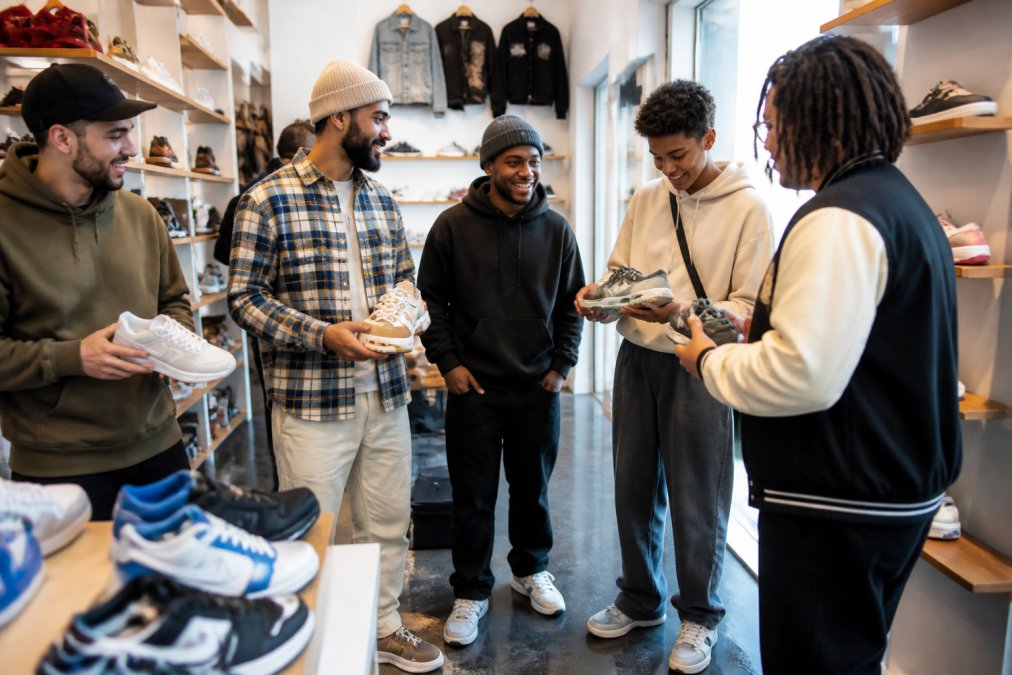
The sneaker community is built on relationships, shared passion, and mutual respect. Boutique sneaker retailers understand this and actively cultivate community rather than just selling products.
Community hubs are essential infrastructure in sneaker culture. Boutique retailers create physical spaces where enthusiasts gather, share knowledge, and build friendships. These spaces host release events, authentication workshops, and casual hangouts. They become cultural institutions within their neighborhoods, places where sneaker culture is celebrated and preserved.
Gatekeeper roles are important in sneaker communities. Experienced retailers serve as gatekeepers who verify authenticity, educate newcomers, and maintain standards that protect the community from counterfeits and bad actors. This gatekeeping function is valuable and creates trust. People rely on gatekeepers to ensure the integrity of the market.
Exclusive access programs build loyalty and reward community participation. Boutique retailers often offer early notification of limited releases, reserved inventory for regular customers, and special pricing for community members. These programs create incentives for customers to build relationships with specific retailers rather than shopping around.
Collaboration with local artists, designers, and other retailers strengthens community bonds. Many boutique sneaker retailers partner with local talent to create exclusive designs, host collaborative events, or cross-promote products. These partnerships build networks that benefit everyone involved.
Education is a community service that boutique retailers provide. They host workshops on authentication, explain sneaker history and culture, and teach customers how to evaluate products. This educational role positions retailers as trusted advisors rather than just salespeople.
Social media engagement creates extended community beyond physical locations. Boutique retailers use platforms like Instagram and TikTok to share product photos, authentication tips, brand history, and community stories. This content builds reputation and attracts customers who value expertise and authenticity.
Customer loyalty in the sneaker community isn't transactional, it's relational. Customers who feel genuinely connected to a retailer and its community become advocates who recommend the store to friends, defend it online, and prioritize it for future purchases. This loyalty is earned through consistent behavior, genuine expertise, and authentic community engagement.
Conclusion
Choosing boutique sneaker retailers represents a commitment to quality, authenticity, and community over convenience and price. These retailers offer curated inventory, genuine expertise, and authentic connections that mass-market stores can't replicate. They verify authenticity, maintain supply chain transparency, and build community relationships that enrich sneaker culture.
For customers serious about sneakers, boutique retailers are worth the premium prices and potentially longer shipping times. The value extends beyond the product itself, it includes expertise, community access, and the satisfaction of supporting independent businesses that genuinely care about their craft.
If you're looking for quality sneakers with confidence in authenticity and personalized service, 4GodsYourGlory offers a curated selection of high-quality Air Max React Sneakers alongside practical accessories. Our straightforward online shopping experience provides access to essential footwear designed for comfort and daily wear. Explore our Air Max React Sneakers collection and experience the difference that intentional curation and quality commitment make in your sneaker purchases.

Frequently Asked Questions
What makes boutique sneaker retailers unique compared to mass-market retailers?
Boutique sneaker retailers focus on curated inventory, expert product knowledge, and personalized service that big-box stores cannot replicate. They stock limited editions, exclusive collaborations, and rare deadstock inventory. Staff at boutiques understand sneaker culture, colorways, and release calendars. They verify authenticity rigorously and build relationships with customers rather than treating them as transactions. This personalized approach, combined with access to products you won't find elsewhere, creates a shopping experience centered on community rather than volume sales.
How can I tell if a sneaker retailer is actually authentic and trustworthy?
Look for retailers with transparent supply chain practices, clear authentication processes, and verifiable customer reviews. Authentic boutique retailers display their sourcing methods, explain how they verify products, and stand behind their inventory with guarantees. Check whether they're authorized dealers for the brands they sell. Ask about their return policy, warranty, and post-purchase support. Boutiques like 4GodsYourGlory provide detailed product information and maintain consistent communication. Avoid retailers who can't explain where their inventory comes from or who pressure you into quick purchases.
Are boutique sneaker stores more reliable for buying limited-edition or exclusive sneakers?
Yes. Boutique retailers have established relationships with brands and access to exclusive collaborations and limited releases that mass-market stores don't receive. They understand release calendars and can notify customers about upcoming drops. Because boutiques curate carefully, they're less likely to stock counterfeit deadstock or secondary market inventory without verification. Their reputation depends on authenticity and customer trust, so they invest in proper authentication. For rare finds and exclusive access, boutiques offer significantly better reliability than big-box retailers.
Why would I pay more at a boutique when I can get sneakers cheaper at larger retailers?
Boutique pricing reflects the value of curation, authenticity, personalized service, and community. You're paying for expert staff who understand your needs, access to exclusive products, guaranteed authenticity, and post-purchase support. Big-box stores compete on volume and price, which means less attention to individual customers and higher risk of counterfeit products. Boutiques invest in retail atmosphere, brand storytelling, and customer loyalty programs. When you buy from a boutique like 4GodsYourGlory, you're investing in reliability, product knowledge, and a shopping experience that extends beyond the transaction.
This article was written using GrandRanker