
Table of Contents
- What Air Max React Sneakers Actually Deliver
- Comfort That Holds Up: Cushioning, Support, and All-Day Wear
- Most Comfortable Nike Sneakers for Standing All Day
- How to Spot Fake Nike Air Max Sneakers
- Air Max React Maintenance Guide
- Long-Term Wear and Tear: What to Expect After Months of Use
- The Verdict: Are Air Max React Sneakers Worth It for You?
- Frequently Asked Questions
Last Updated: September 13, 2026
What Air Max React Sneakers Actually Deliver
Air Max React sneakers are lifestyle shoes that combine a foam-based midsole with a visible Air heel unit, built for daily wear rather than race-day running. Are Air Max React sneakers worth it for someone who just wants a dependable everyday shoe? The short answer is yes, with conditions.

The people most likely to get real value are commuters, students, and anyone logging thousands of steps on hard pavement. Competitive runners chasing personal records won't. Nike treats React foam as a comfort-forward cushioning platform, not a racing compound, and that distinction shapes everything below.
Comfort That Holds Up: Cushioning, Support, and All-Day Wear
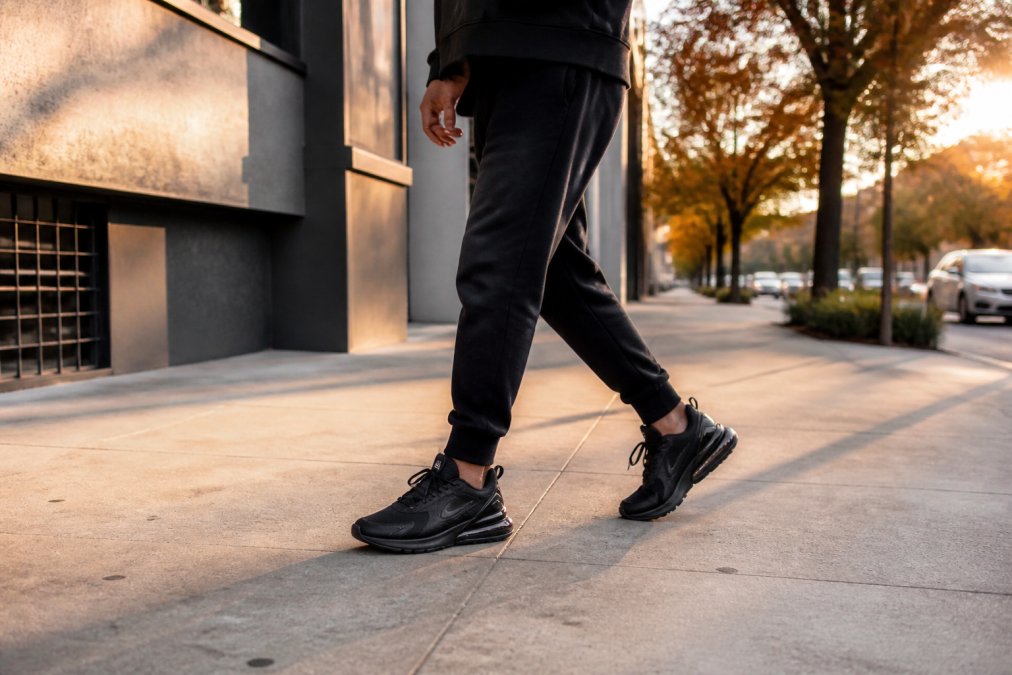
Air Max React comfort comes from two stacked systems: a full-length React foam midsole and a visible Air unit in the heel. The foam handles compression and rebound; the Air unit absorbs the sharp rear-foot impact heel-strikers generate first. What matters is how they're tuned together, that tuning separates a shoe you can wear for a 10-hour shift from one that feels dead by lunch.
How the Cushioning System Actually Works
React foam is a nitrogen-infused elastomer, not a simple EVA block (nike.com). It feels softer initially than traditional EVA while resisting the permanent compression that flattens cheap midsoles. The trade-off is weight: React is denser than the lightest racing foams, which is why these shoes are lifestyle-first.
The Air heel unit adds a second stage of impact absorption. On a heel strike, the foam compresses first, then the Air unit takes the sharpest load. The result is a plush but not mushy ride, you feel the ground, not the pavement.
What most reviews skip: foam density matters more than the marketing name. A denser React formulation resists packing out longer; a softer one feels better in week one and flatter by month three. Two pairs with the same "React" label can behave very differently by model and year.
Sizing, Fit, and Break-In Period
Most buyers find Air Max React models run true to size, though a wider forefoot may need a half-size up. The knit upper stretches slightly, so a snug first fit is normal, but "snug" and "pinching" are not the same thing.
Break-in takes a few days of regular wear, not weeks. If a pair still pinches after that, the size is wrong, not the shoe. Don't try to "break in" a shoe that hurts; you'll just tolerate a bad fit.
Foot-Type Suitability: Who These Shoes Actually Fit
- Neutral arches. Built for you. Moderate cushioning, a platform stable enough for daily walking, and geometry that doesn't fight a neutral gait.
- High arches. Generally a good match. The foam stack softens firm ground contact, and the roomy toe box reduces pressure on the top of the foot.
- Flat feet or overpronation. Proceed with caution. React foam is neutral, not stability-oriented. If your ankle rolls inward, you'll want an aftermarket insole with structured arch support or a different shoe. No break-in fixes a missing stability element.
- Wide feet. Sizing up a half size is the usual workaround, but a model with a wider forefoot last is better, a half-size up adds unneeded length and can cause heel slip.
- Plantar fasciitis. Mixed results. Cushioning helps with impact, but the neutral arch won't do the support work your fascia needs. Many pair these with a firm orthotic; others find the foam too soft and switch to a firmer shoe.
A common pattern: people buy Air Max React for the look, love them for a month, then discover around week six that the shoe doesn't match their foot mechanics. Knowing your arch type before you buy saves that cycle.
Walking vs. Running: Where They Actually Perform
As a walking shoe, Air Max React is genuinely strong. The foam stack absorbs repetitive pavement impact, the Air heel unit softens the walking heel strike, and the upper breathes well enough for warm-weather commutes. For 5,000 to 15,000 steps a day on hard surfaces, they hold up (the CDC).
As a running shoe, they're a compromise. Cushioning is comfortable for easy-paced miles, but the platform is heavier and less responsive than a dedicated running shoe, and the neutral support won't correct a gait that needs correction. Casual jogging and treadmill work: fine. Structured training, tempo runs, or anything over a few miles at pace: you'll feel the weight and lack of energy return.
The honest framing: these are excellent walking and standing shoes that can also run, not running shoes that happen to look good.
Most Comfortable Nike Sneakers for Standing All Day
The most comfortable Nike sneakers for standing all day have the thickest foam stack and a roomy toe box. Air Max React models fit that description, which is why nurses, retail staff, and warehouse workers gravitate toward them.
Three factors decide whether a sneaker survives a 10-hour shift:
- Foam thickness. More midsole material means more compression before your foot feels the floor.
- Toe box room. Feet swell during the day; a narrow toe box turns that into pinching by hour six.
- Weight distribution. A lighter shoe reduces foot fatigue over long-distance walking, even if the cushioning is identical.
Arch support is the wildcard. React models offer moderate, neutral support, fine for most, but not for anyone needing firm, structured arch support for flat feet.
How to Spot Fake Nike Air Max Sneakers
Counterfeit Air Max pairs are convincing enough that price alone no longer gives them away. Check the stitching, the Air unit, and the label before you trust any pair.
Start with the heel Air unit. On authentic pairs, the window is clear, evenly shaped, and shows defined internal structure. Fakes often look cloudy or show a seam where the plastic was joined.
Then check these:
- Stitching is even, tight, and matches on both shoes
- The size tag font is crisp, not blurry or misaligned
- The midsole paint line is straight with no overspray
- The box label matches the shoe's style code exactly
- The insole logo is sharp, not smeared
- Weight feels consistent between left and right shoe
Buying from a retailer that stands behind its inventory removes most of this risk. The FTC's guidance on counterfeit goods explains what recourse buyers have when a seller ships fake merchandise.
Air Max React Maintenance Guide
Cleaning Air Max React sneakers takes about ten minutes per pair and, done regularly, adds months of usable life. The knit upper and foam midsole both respond badly to harsh chemicals.
Follow this routine:
- Remove laces and insoles, and brush off dry dirt with a soft brush.
- Mix a small amount of mild detergent with warm water.
- Scrub the upper with a soft brush in circular motions.
- Wipe the midsole with a damp cloth; avoid soaking the Air unit seams.
- Air-dry at room temperature, stuffed with paper to hold shape.
Never machine wash them and never put them in a dryer. Heat breaks down the adhesive holding the midsole to the upper, and that damage is permanent.
Long-Term Wear and Tear: What to Expect After Months of Use
Most reviews stop at first impressions. The question readers actually have, what happens after six months of daily wear, rarely gets a straight answer. Here's the realistic timeline, based on how React foam and knit uppers behave under sustained use.
Month-by-Month Wear Report
Months 1-2: Peak comfort. The foam is at full height, the upper is crisp, and the Air unit is doing its job. The shoe genuinely feels better than it ever will again.
Months 3-4: First softening. The forefoot foam compresses noticeably. You won't see it, but you'll feel it on long walks, cushioning under the ball of your foot thins, and hard pavement transmits more feedback. The heel Air unit is still intact.
Months 5-8: Visible compression. The midsole develops a crease pattern where your foot lands, and the forefoot is noticeably firmer than new. If you walk 10,000+ steps daily, this is where most people consider replacing them, not because the shoe is broken, but because the comfort advantage that justified the purchase has eroded.
Months 9-12: Structural wear. The outsole tread under the heel and forefoot shows real wear, especially on pavement, and the knit upper may pill or snag. The Air unit usually outlasts the foam around it, so the shoe can feel supportive in the heel while flat in the forefoot, an odd, uneven sensation that signals it's time to retire the pair.
What Wears Out First, and Why
- Forefoot foam. Compresses first because that's where walking gait loads the most. This is the single biggest determinant of usable life.
- Outsole tread. Wears through fastest on pavement; indoor flooring and trails are gentler. Once the tread pattern is smooth under the heel, traction drops noticeably in wet conditions.
- Knit upper. Holds up better than the sole, but snags on rough surfaces and can pill where it rubs against socks or pant cuffs.
- Synthetic suede overlays. The most durable component. They resist scuffing and rarely fail before the sole does.
- Air unit. Usually the last thing to go. A punctured Air unit is rare but terminal, there's no repair.
How to Extend the Life of Your Pair
Rotating between two pairs roughly doubles the calendar life of each, because foam recovers when it isn't compressed daily. It's the cheapest durability upgrade available, costing nothing beyond the second pair.
Other habits that matter:
- Don't wear them for yard work, hiking, or anything that grinds grit into the midsole seams.
- Let them air out between wears; moisture accelerates foam breakdown.
- Keep the outsole clean, embedded grit acts like sandpaper against the tread.
- Avoid heat. Hot cars and dryers both shorten the adhesive life of the midsole bond.
When to Replace Them
The honest signal isn't a date on the calendar, it's how your feet feel after a normal day. If you used to finish a shift without thinking about your feet and now you're aware of them by hour six, the foam has packed out. For most daily wearers, that lands between six and twelve months, depending on step count, body weight, and surface.
The Sustainability Angle Most Reviews Skip
The flip side of a 6-12 month lifespan is waste. A shoe that packs out in under a year generates more landfill volume than a sturdier alternative lasting three. React foam isn't widely recyclable through standard municipal streams, and Nike's take-back programs vary by location and model.
If longevity and material impact matter, the practical move is the same as the durability move: rotate two pairs, keep them clean, and stretch the usable life. Buying one pair and wearing it into the ground in eight months is the worst outcome for your wallet and the waste stream.
The Verdict: Are Air Max React Sneakers Worth It for You?
Buy them if you want a cushioned, versatile lifestyle sneaker for commuting, standing, and daily wear, and you value the dad shoe aesthetic. Skip them if you need firm arch support, run competitively, or expect a foam midsole to feel new after a year.
For most readers searching for are air max react sneakers worth it, the honest answer is that they deliver solid value at a mid-range price, provided you buy the right size and maintain them. 4GodsYourGlory offers a wide selection of high-quality Air Max React Sneakers, ensuring customers have access to essential footwear. Our Air Max React Sneakers feature cushioned outsoles and lightweight construction built for everyday use.
Frequently Asked Questions
Are Air Max React sneakers good for walking all day?
Yes. The foam midsole and 270-degree Air heel unit absorb impact with each step, which reduces foot fatigue during long walks. The breathable mesh upper keeps feet cool, and the padded collar adds heel lockdown. For standing all day, many users find them more comfortable than traditional running shoes because the cushioning stays responsive without feeling mushy.
Do Air Max React sneakers run true to size?
They generally run true to size. If you have wide feet, the toe box has decent room, but going up a half size can help if you wear thick socks. The Flyknit-style upper stretches slightly after a short break-in period. Order your normal sneaker size first, and check the retailer's return policy if you are between sizes.
How do I spot fake Nike Air Max sneakers?
Check the stitching first: authentic pairs have even, tight lines with no loose threads. The heel unit should be clear and properly aligned, not cloudy or off-center. Look at the size tag inside the tongue: real tags use crisp fonts and correct spacing. Finally, smell the shoe. Fakes often have a strong chemical odor from low-grade glue. Buy from a trusted retailer to avoid counterfeits.
What is the typical lifespan of Air Max React foam?
With regular daily wear, the foam midsole holds its cushioning for about 300 to 500 miles of walking or 6 to 12 months. The outsole rubber usually wears out first if you walk on concrete. Rotating them with another pair and cleaning them regularly can extend the life. Replace them when you feel flat spots or the tread pattern smooths out.
The real challenge isn't choosing a sneaker, it's finding a retailer that carries authentic pairs at a fair price without a maze of checkout steps. 4GodsYourGlory offers a straightforward online shopping experience with a wide selection of Air Max React Sneakers, plus practical automotive accessories like sun shades and casual headwear for the rest of your routine. Get started with 4GodsYourGlory and find footwear and essentials that fit seamlessly into your day.